
Atlas Snapshot:
Best for: If you like a social routine (meetups, events, live music) and want easy nature breaks without leaving the city—think trail loops, a swim, then dinner plans that don’t require much effort. It’s also great if you’re energized by a creative/tech mix and like building a repeatable weekly rhythm.
Not great if: You want a fully walk-everywhere city or you’re sensitive to heat for long stretches. Summer can feel intense, and traffic can shape your day—choosing the right neighborhood matters.
Best stay length: 2–6 weeks
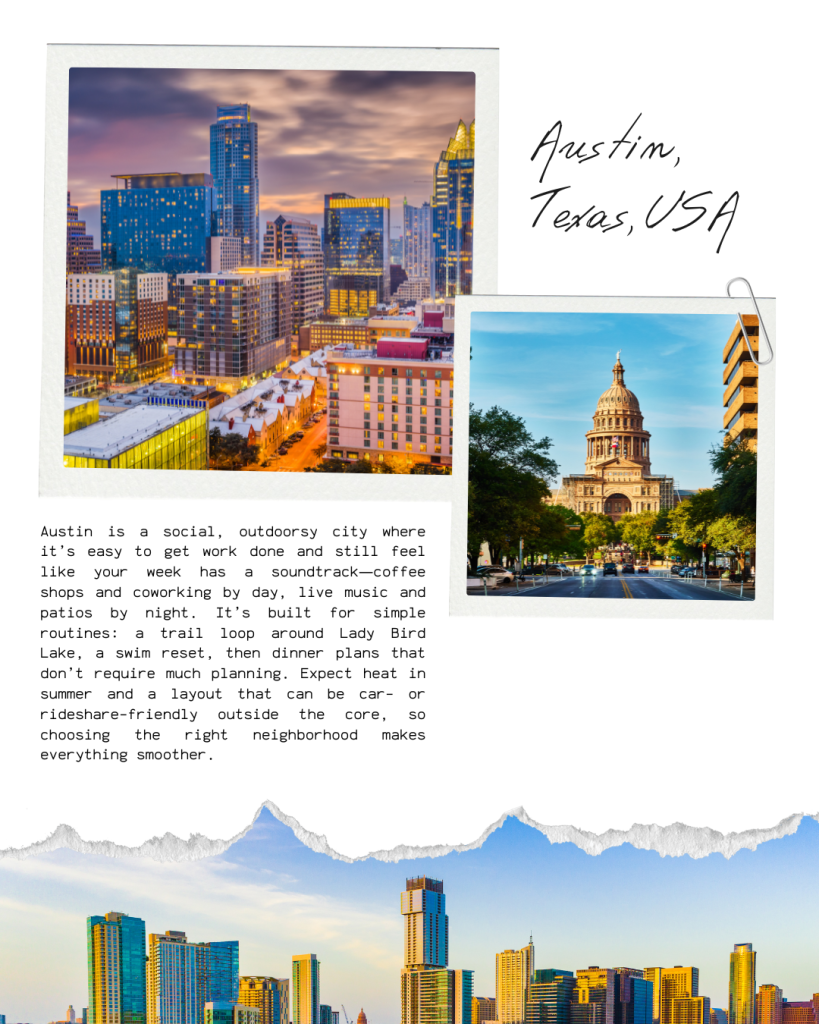
Where to Live (Choose Your Vibe)
Downtown / 2nd Street / Warehouse District
Best for: maximum convenience, meetings, and “walk to dinner after work” nights
Quick caution: lively on weekends; noise can vary block-to-block (worth verifying)
South Congress (SoCo) / Travis Heights
Best for: iconic Austin vibe, walkable-ish routine, great food + people-watching
Quick caution: can be busy; some streets feel louder/traffic-y than you’d expect
Zilker / Barton Hills / South Lamar
Best for: outdoors-first routine (park + trails) with quick access to the city
Quick caution: popular zone—parking and event weekends can add friction (worth verifying)
East Austin (Holly / around Plaza Saltillo)
Best for: creative energy, cafés, and a more “local-feeling” social scene
Quick caution: some pockets are more nightlife-forward; pick your exact street carefully for quiet
Coworking + Café Reality Check
Coworking scene: Austin’s coworking bench is deep—startup hubs, polished private-office brands, and neighborhood-friendly spaces. The best setup is choosing one “home base” coworking spot near where you’re staying, then using cafés for lighter sessions.
Café workability: Very workable, but some popular cafés get crowded fast—aim for earlier starts and keep 2–3 backups for call days.
Backup internet plan: Keep a U.S. eSIM/hotspot option so you can pivot if Wi-Fi is crowded.
Check out:
Capital Factory — Startup-forward hub downtown; great if you like being around builders + events.
Industrious — Polished “best all-around” option with multiple central locations.
Bond Collective – East Austin — Boutique coworking in East Austin; good balance of focus + community.
Fibercove — South Lamar option that’s built for productive long work blocks (plus meeting space).
What makes IT unique + things to do
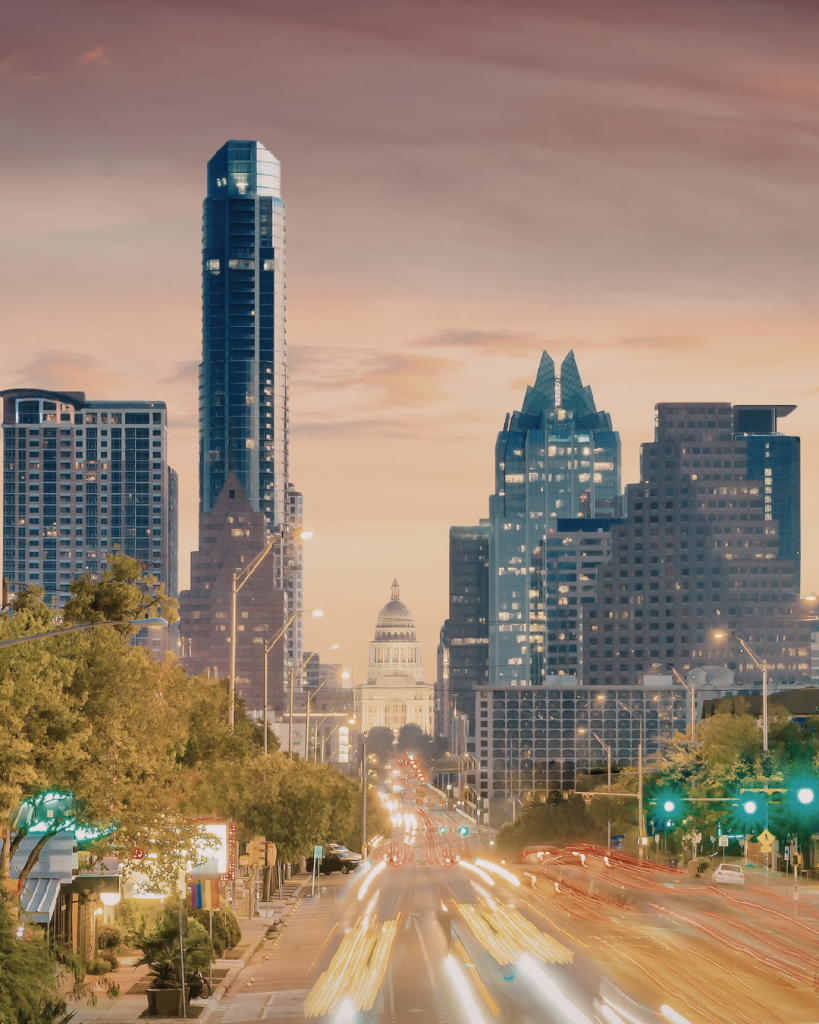
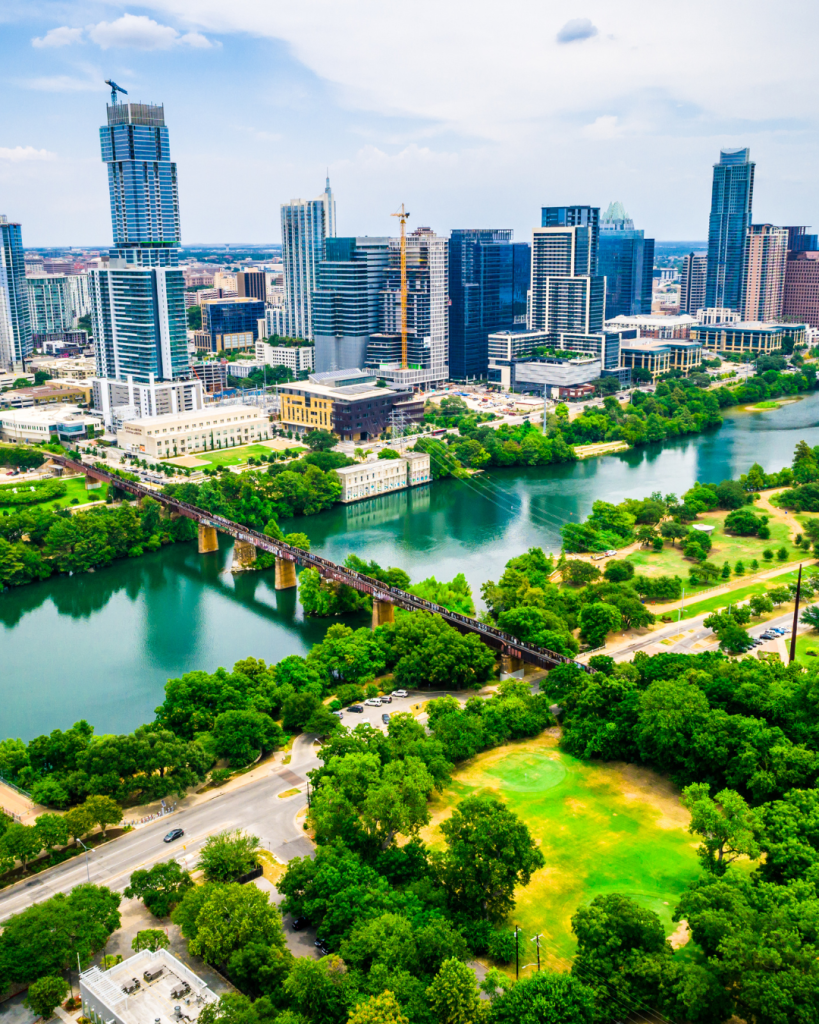
Austin is uniquely routine-friendly for ambitious weeks: you can do serious work days, then slide straight into live music, patio dinners, and outdoor resets without planning a “big trip.” The city rewards a simple formula—pick your neighborhood, rotate a few reliable spots, and save your big energy for one standout outing every few days.
Things To Do:
Do a daily loop on the Lady Bird Lake trail (sunrise/sunset hits)
Swim at Barton Springs Pool when you need a reset
Spend an afternoon in Zilker Metropolitan Park (easy, low-effort outdoors)
Make one “SoCo wander” day: shops + coffee + dinner (timing matters if you prefer it calmer)
Go live-music-first: pick one venue/night and build your week around it
Hill Country day trip for a change of pace (swim/drive/views—seasonal conditions worth verifying)
Good to know
Austin is easiest as a neighborhood-based city. If you stay central, you can walk a lot; outside the core, rideshare or a car often makes life smoother. Stay aware late at night in busy nightlife areas and keep your route simple.
Expect hot summers and plenty of sun; shoulder seasons are usually the most comfortable for long walks and outdoor time. Always plan hydration + shade breaks in hotter months.
Housing is the big variable. To keep spend steadier, stay slightly outside the hottest strips (but close to your routine spots), and treat “big nights out” as occasional rather than constant.