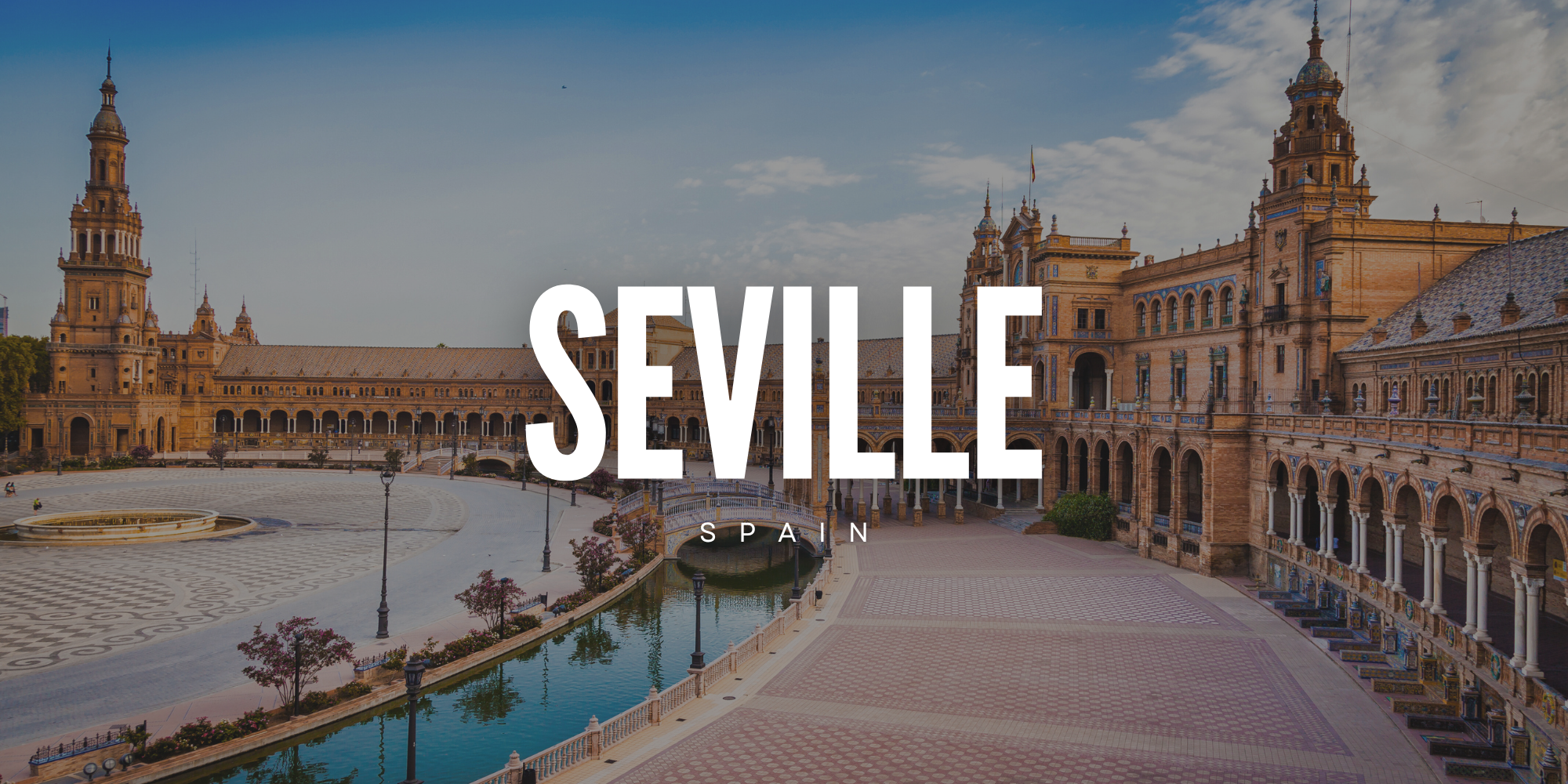
You can keep day-to-day spend reasonable by living just outside the most tourist-heavy core and leaning into local menus. The biggest swing factor is usually accommodation—street-by-street can matter a lot (worth verifying before you commit).
Atlas Snapshot:
Best for: You love walkable, historic cities where your day can be: café → deep work → long lunch → golden-hour stroll → tapas crawl. It’s especially good for creatives, culture-lovers, and anyone who wants their life to feel a little more cinematic between work blocks.
Not great if: You need cool weather year-round or you’re sensitive to heat—summer can feel intense and can shape your schedule. Also, if you want a huge “always-on” coworking ecosystem, it’s solid here, but not on mega-hub level.
Best stay length: 1–3 months
Walkability:High
Transit-Friendly:Medium
Co-Work Friendly Score: 4
Internet Reliabilty: 4
Seville Overall Budget: $1700 per month
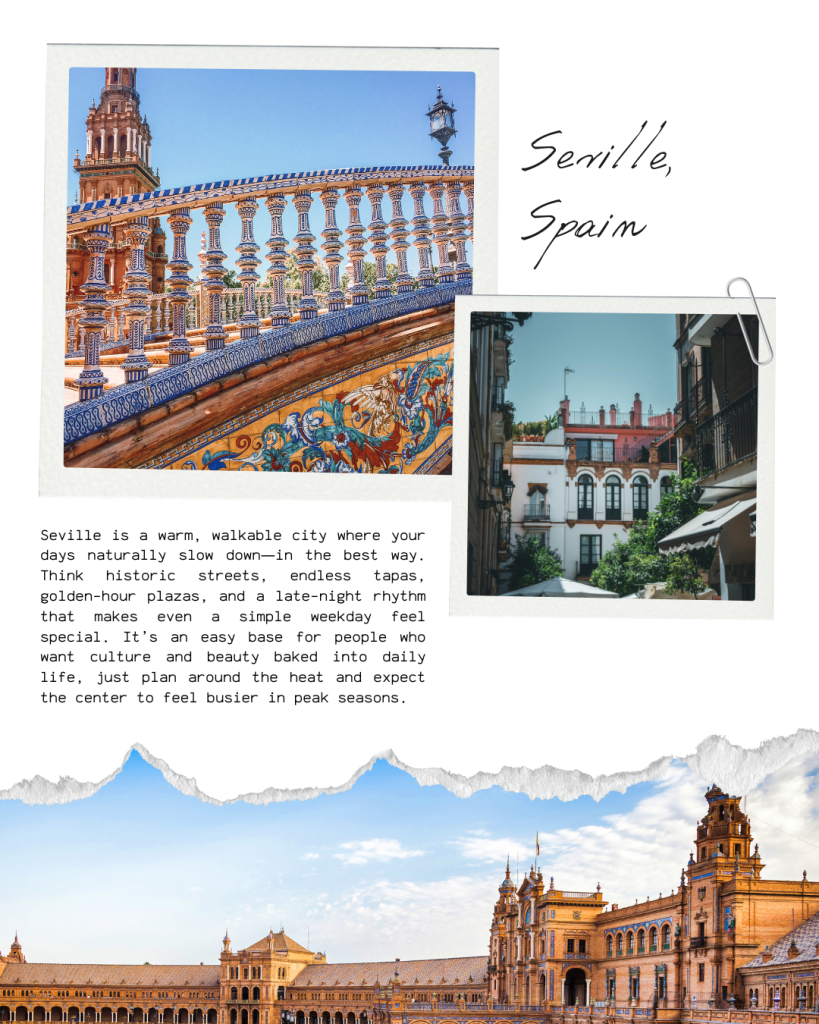
Where to Live (Choose Your Vibe)
Triana
Best for: local vibe + food + evening strolls; great if you want charm without living in the most tourist-dense core
Quick caution: nightlife pockets can run late—choose your exact street if you’re noise-sensitive
Santa Cruz (historic center)
Best for: first-timer magic—postcard streets, quick access to the main sights, very walkable
Quick caution: can feel touristy and busy; some lanes get loud, and short-term rentals vary a lot (worth verifying)
Alameda de Hércules
Best for: social energy + bars + a younger, creative scene; strong “meet friends after work” neighborhood
Quick caution: late nights are common—expect noise on weekends
Nervión
Best for: a more modern, residential base with easy errands and a calmer feel
Quick caution: less “storybook Seville” outside the center; you’ll rely a bit more on transit or longer walks
Coworking + Café Reality Check
Coworking scene:
Seville has a dependable coworking mix—community-driven spots in the center plus more “business-style” options. Most places are geared toward freelancers and small teams, so it’s easy to plug in if you want structure without feeling corporate.
Café workability:
Very doable, especially outside peak tourist hours. In the most central areas, some cafés can get crowded—having 2–3 fallback spots near your neighborhood helps.
Backup internet plan:
Keep a local eSIM with generous data so you can hotspot if a café Wi-Fi is busy or unreliable.
Check out:
workINcompany — central, community vibe, good “all-around” pick
Arcadia Coworking — friendly, community-forward workspace in the center
La Bañera Coworking — simple, practical option with a more local feel
Spaces Villasis — more polished/premium setup near the center

What makes it unique (and what to do)
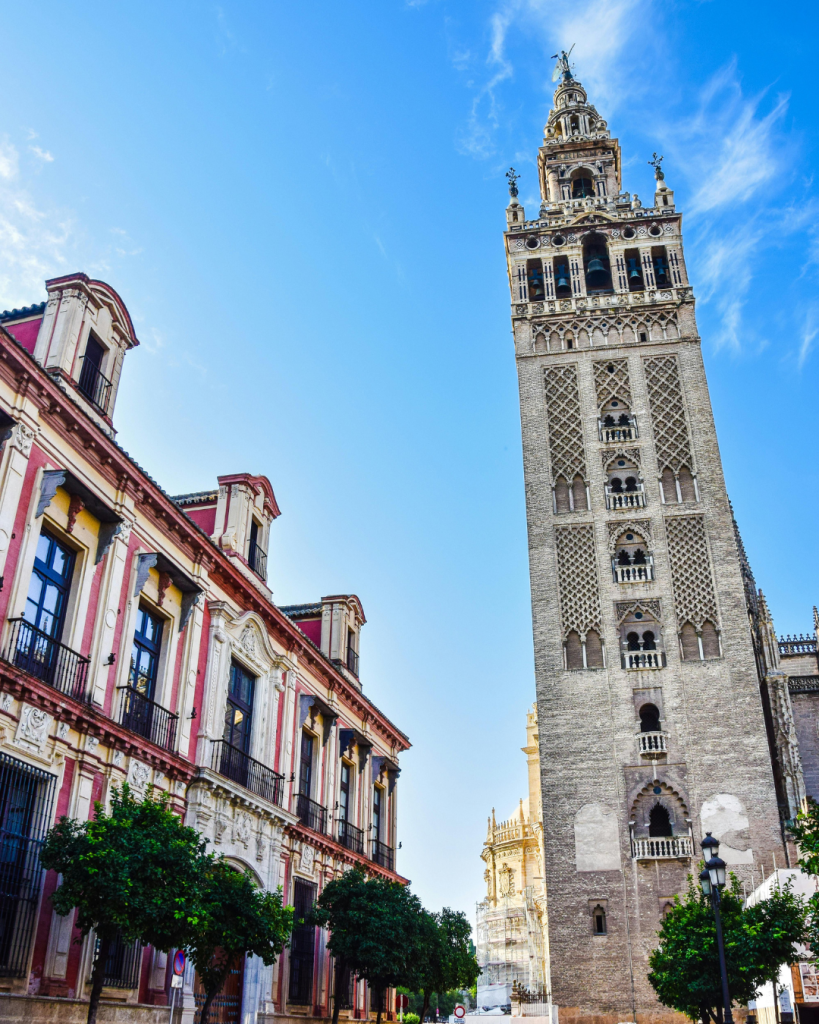
Seville is uniquely “soft dramatic”—ornate architecture, orange-tree streets, and a daily rhythm built around lingering. It’s one of those places where the city itself is the activity: you’ll do less “checking boxes” and more wandering, snacking, and letting the day unfold—then suddenly it’s midnight and the streets still feel alive.
Things To Do:
Tour Real Alcázar of Seville (go early for a calmer feel)
Climb the Giralda for views over the rooftops
Sunset walk through Plaza de España + Parque de María Luisa
Grab a drink with rooftop views (options change often—worth verifying what’s best right now)
Wander and people-watch at Metropol Parasol
Do a tapas crawl (especially fun if you “one small plate per stop” it)
Catch a flamenco night (choose a reputable venue; touristy vs. intimate varies)
Bike or stroll along the Guadalquivir River
Easy day trips if you want a change of pace: Córdoba or Cádiz
Good to know
Getting Around
The center is very walkable. Transit is helpful (especially buses), but not always necessary if you live centrally—just stay aware around crowds and keep an eye on your belongings in busy tourist zones.
Climate Notes
Heat is the main planning variable: summer can push you toward early mornings, late evenings, and midday breaks. Shoulder-ish months feel best for long walking days (tags above), and rain can pop up in cooler months.
Budget Notes