Walkable Bases Under $2k/mo
What this drop is:
A curated shortlist of walkable, day-to-day easy digital nomad bases where a $2,000/month budget is often realistic (especially with monthly stays and longer-stay discounts). You’ll also get a simple framework to choose the right neighborhood, not just the right city—because “walkable” is almost always neighborhood-specific.
This is for you if you want:
Car-free living: cafés, groceries, coworking, parks within a 10–20 minute walk
A base that’s easy to settle into fast (low-friction routines)
A budget that stays around $2k/month without feeling like you’re constantly sacrificing
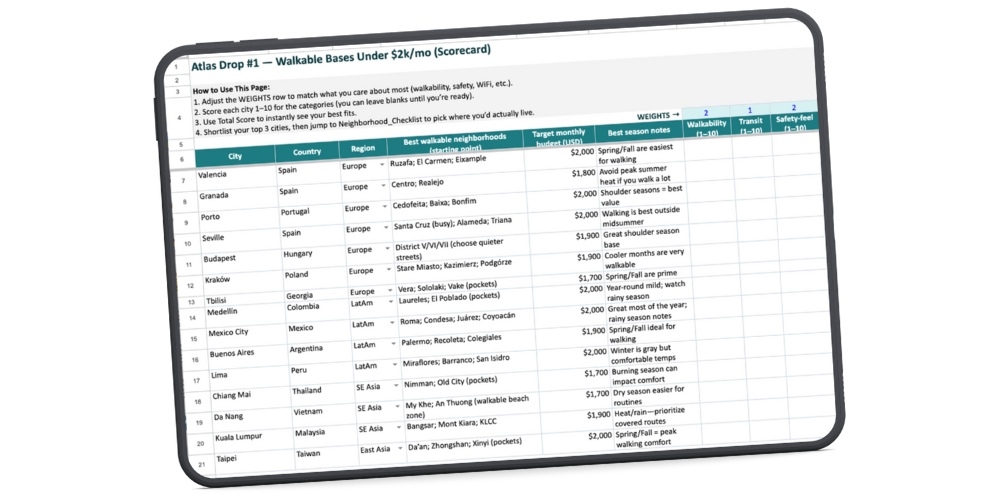
The $2k/mo reality check (read this first):
“Under $2k/month” depends on four things:
Housing seasonality (summer + holidays can blow up rent)
Whether you book monthly stays (biggest lever)
Neighborhood choice (touristy core vs “one neighborhood over”)
Your standards (studio vs room, coworking daily vs cafés, eating out frequency)
How we’re defining it:
If you optimize for monthly stays and choose a strong walkable neighborhood, many nomads can make ~$2k work in these places.
The Walkable Base Framework:
Before the list, here’s the method that saves you from choosing the wrong area:
The “Walkable Triangle”:
Your ideal base has 3 anchors within walking distance:
Grocery (≤10 minutes)
Café work spot (≤10 minutes)
Coworking OR gym (≤20 minutes)
If you can hit that triangle, your days feel effortless.
The 5 walkability signals that matter (more than vibes):
Sidewalk quality + crossings (you’ll feel this on Day 2)
Safety-feel at night on your route home
Noise reality (walkable usually = louder)
Weather comfort (walking in extreme heat/rain changes everything)
Transit backup (walkable + transit = no-car freedom)
The Shortlist: Walkable Bases Under $2k/Month
Region: Europe
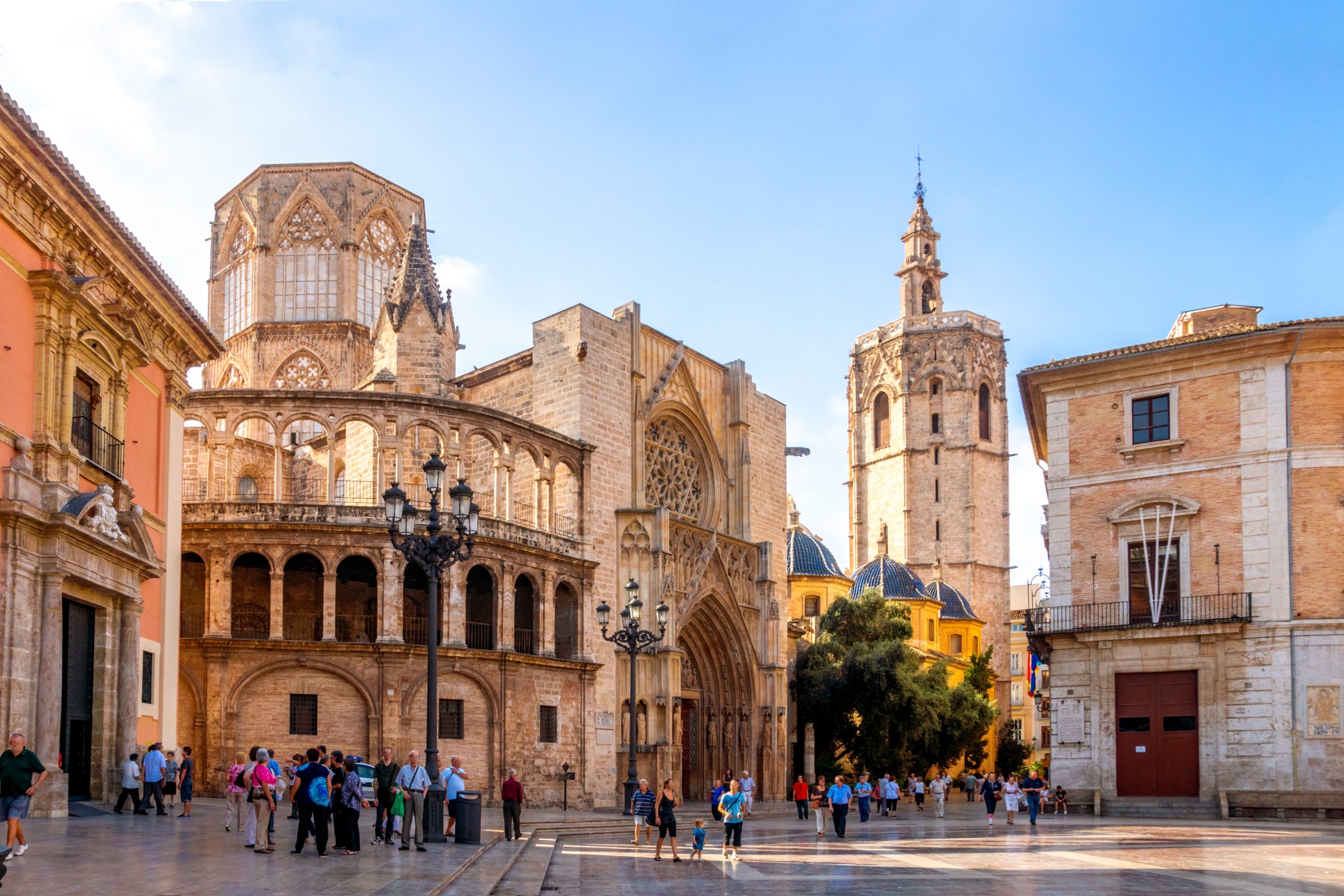
Valencia is one of those rare cities that feels immediately livable. You get the walkability and daily convenience of a major European city, but with a lighter pace that makes routines feel easy instead of exhausting. Most days can be handled on foot: coffee, groceries, coworking, a long park walk, dinner, and—if you choose the right pocket—an easy beach evening without needing a car. It’s also a great “first Europe base” because it’s not overly complicated: the city is intuitive, the lifestyle is balanced, and it’s simple to build a repeatable rhythm fast.
Recommended walkable neighborhoods:
Ruzafa (cafés, food, lively, very walkable)
El Carmen (Ciutat Vella) (historic, central, more touristy)
Eixample / Gran Vía (more residential, still central/walkable)
El Cabanyal (near the beach, local vibe, hit-or-miss blocks)
What to know: Strong public transit as backup, great parks (Turia), solid coworking options, and excellent day trips.
Best for: A high-quality daily routine, walkable errands, and a “city + beach” lifestyle.
Watch-out: Summer and peak months can push rents up, especially in Ruzafa/old town.

Region: Europe
Granada is a “small city, big charm” base—perfect if you want walkability that feels organic. You can step outside and be in the middle of daily life immediately: cafés, markets, local streets, plazas, and that constant sense of history around you. It’s the kind of place where routines become enjoyable: walking to your favorite café feels like part of the experience, not just a task. Granada also works well when you want Spain without the higher price tags and crowds of bigger cities—especially if you’re prioritizing a calm, settled month over nonstop sightseeing.
Recommended walkable neighborhoods:
Centro (most walkable for daily life)
Realejo (character, cafés, walkable hills)
Albaicín (stunning, but steep + tourist-heavy)
What to know: You’ll get a slower rhythm, strong café culture, and an easy routine—especially if you stay central.
Best for: Walkable, affordable Spain with a slower pace and lots of charm.
Watch-out: Summer heat + hilly areas can make “walkable” feel exhausting.
Region: Europe
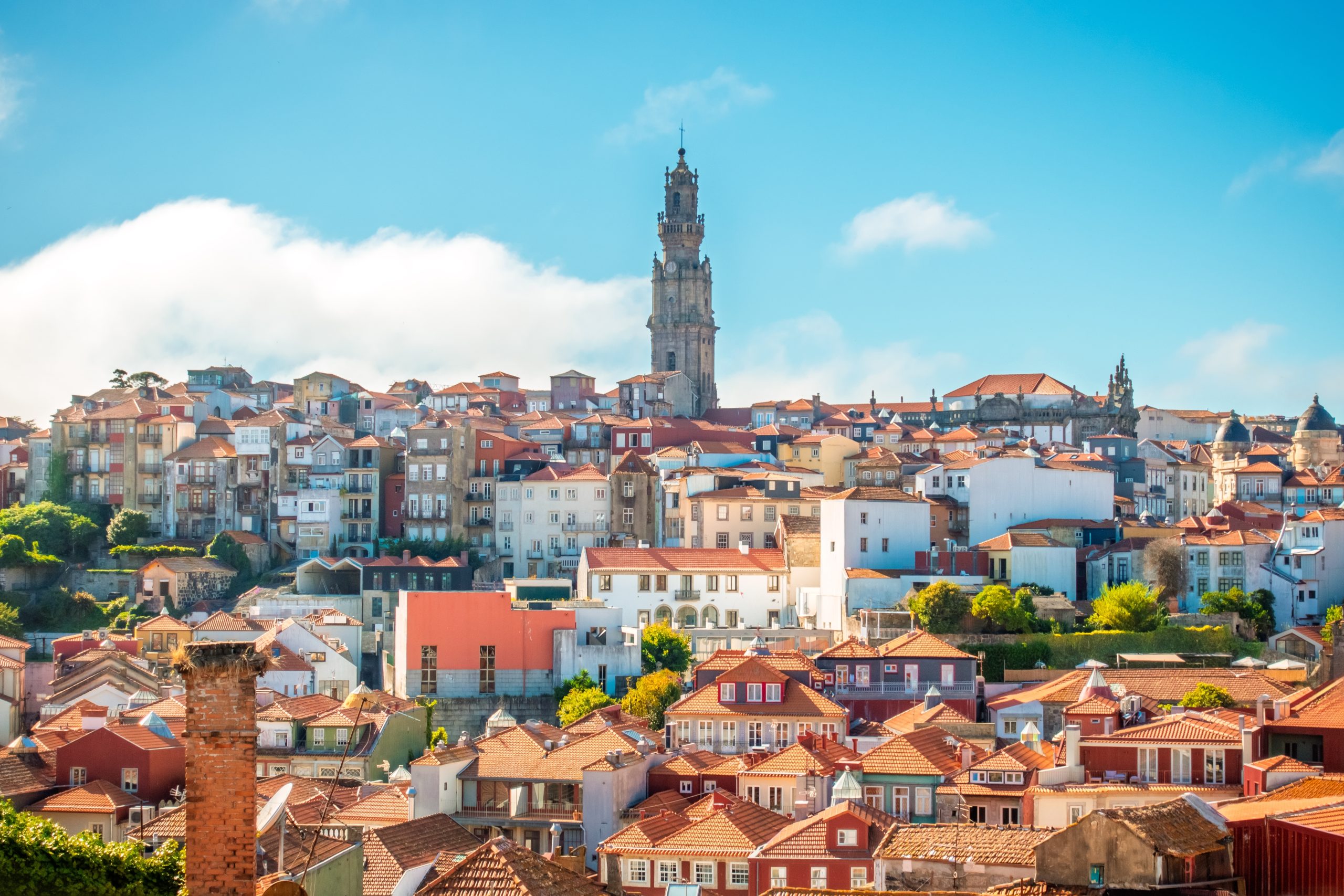
Porto is made for people who love walking as part of everyday life. It’s scenic, layered, and full of those small daily pleasures—river views, tiled streets, cozy cafés, and neighborhoods that feel like you discover them slowly over time. As a base, it’s especially good if you want your routine to feel inspiring: you can build a week around café mornings, focused work blocks, and long walks that actually feel like a reward. Porto can also be a smart pick for nomads who want Portugal’s lifestyle appeal without the constant intensity of Lisbon—though it still has plenty of energy if you want it.
Recommended walkable neighborhoods:
Cedofeita (cafés, local vibe, central)
Baixa / Sé (most central, more tourist traffic)
Bonfim (great value pockets, still walkable)
Foz do Douro (coastal, calmer, more residential)
What to know: Hills are real. Transit helps, but you’ll walk a lot if you’re central. Coworking exists, but the café scene is a big part of the appeal.
Best for: Scenic daily life, café routines, and a walk-heavy lifestyle.
Watch-out: Hills + tourist density in the core during peak season.
Region: Europe
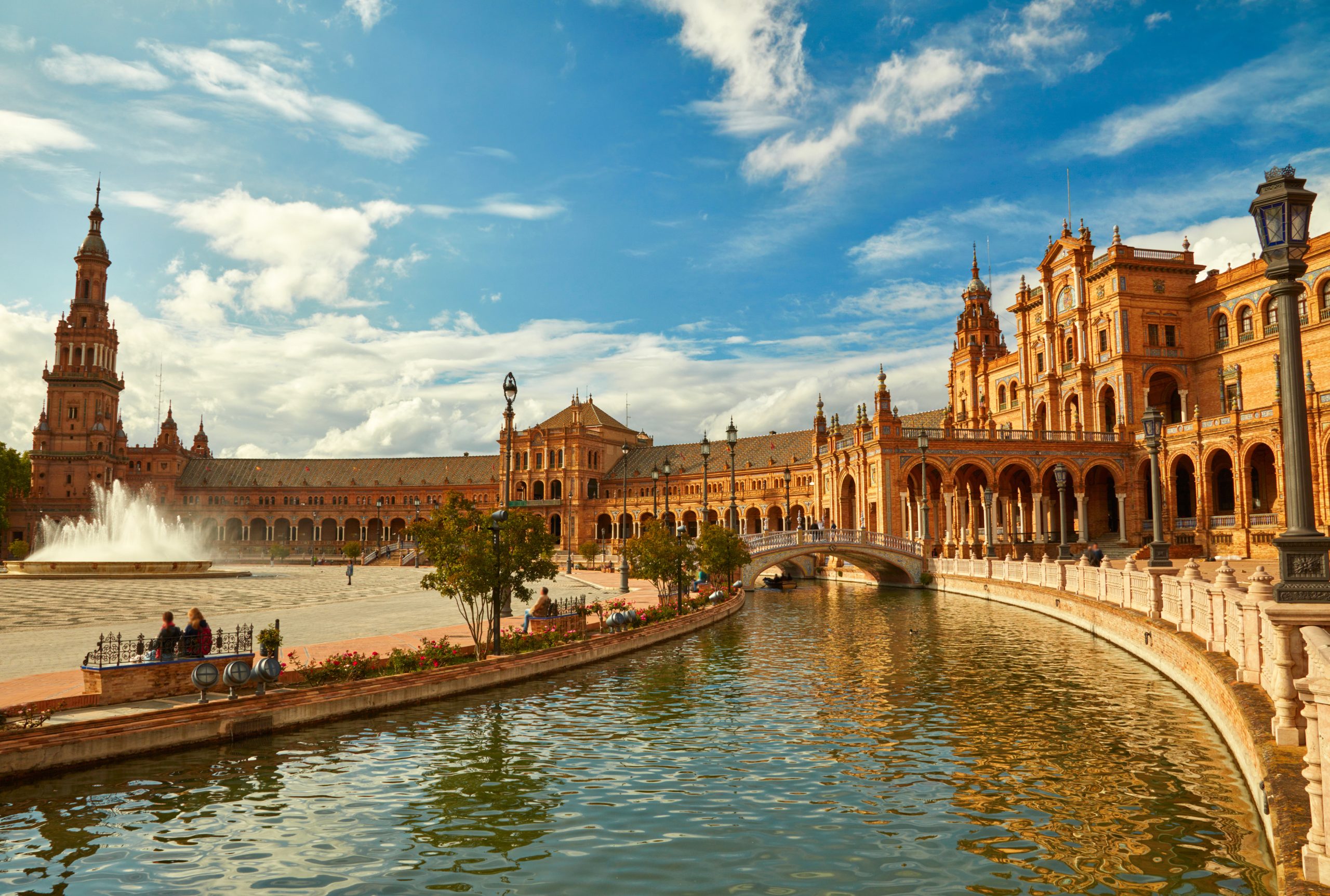
Seville is a city where being outside is the lifestyle. The streets, plazas, and late-night culture make daily life feel social and alive—and the central areas genuinely reward walking. This is a great base if you want a month that feels rich and memorable without needing a constant itinerary: you’ll naturally build routines around morning walks, afternoon café work sessions, and evening wandering that turns into tapas without trying. It’s also a strong choice if you want Spain with personality—big enough to stay interesting, but walkable enough to feel simple when you’re just trying to live your life.
Recommended walkable neighborhoods:
Alameda (creative, lively, walkable)
Triana (local energy, great food, walkable across the river)
Santa Cruz (gorgeous, touristy, central)
Centro (convenience + daily life)
What to know: The city is very walkable in the central areas, with plenty of parks and a strong “evening culture.”
Best for: Social city life, walkability, and culture—without big-city sprawl.
Watch-out: Summer heat is intense; timing your stay matters.
Region: Europe
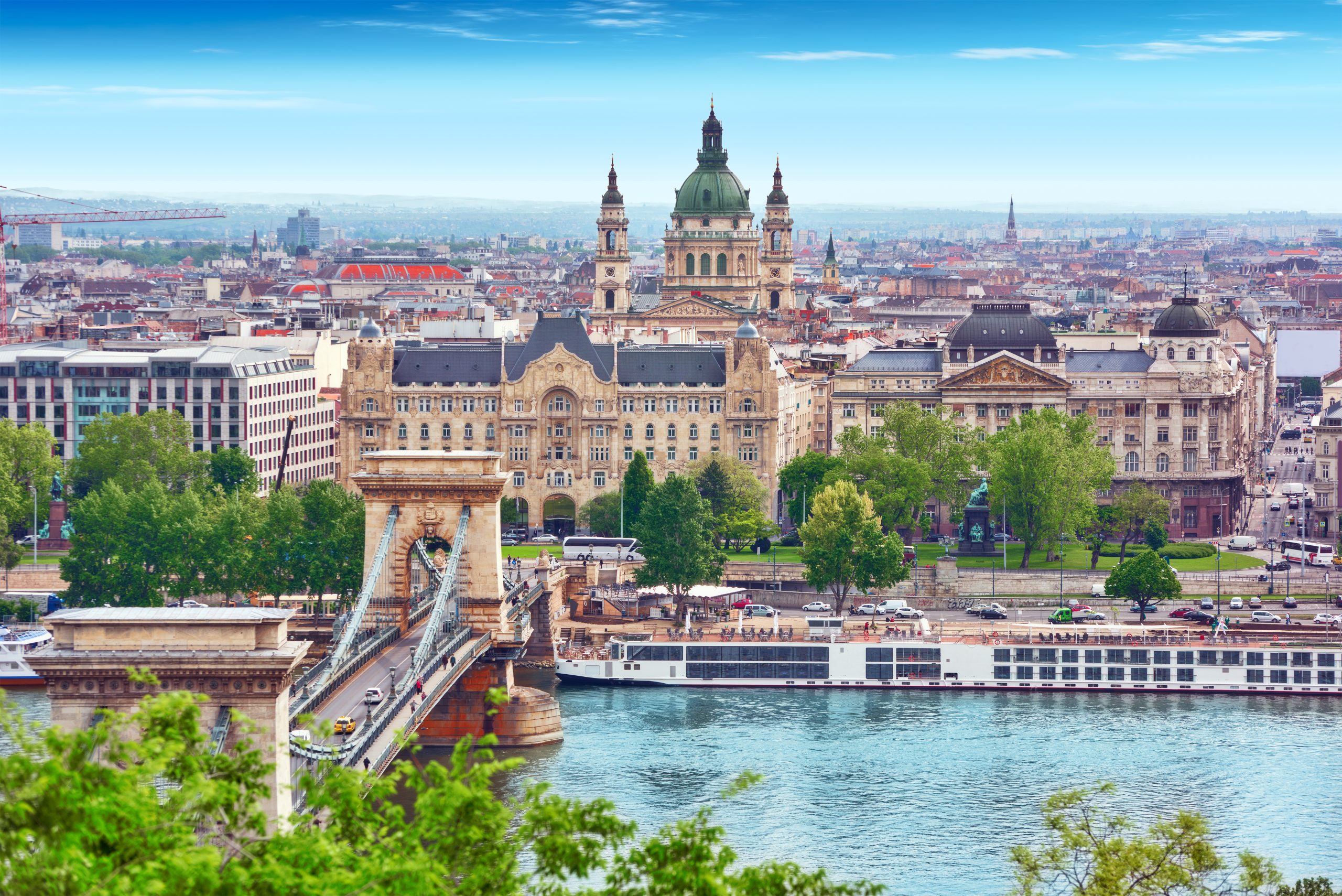
Budapest is one of the best “high life quality for the price” cities in Europe, and it’s especially strong for nomads who want walkability without giving up convenience. Many of the best districts feel like you can do everything on foot—cafés, coworking, groceries, parks—while the metro and trams make the rest of the city ridiculously accessible. It’s a great base if you want a real city experience (museums, neighborhoods, nightlife, baths, good food) but still want your weekdays to feel low-friction and routine-friendly. The key is choosing a neighborhood that matches your pace: Budapest can be calm or very lively depending on the street.
Recommended walkable neighborhoods:
District V (Belváros/Lipótváros) (central, polished, walkable)
District VI (cafés, city life, great access)
District VII (lively, can be noisy)
District XI (Újbuda) (calmer pockets, still connected)
What to know: Strong café culture, lots to do, great baths, and a very “liveable city” feel.
Best for: City people who want walkability, transit backup, and strong value.
Watch-out: Noise in nightlife zones (especially parts of District VII).
Region: Europe
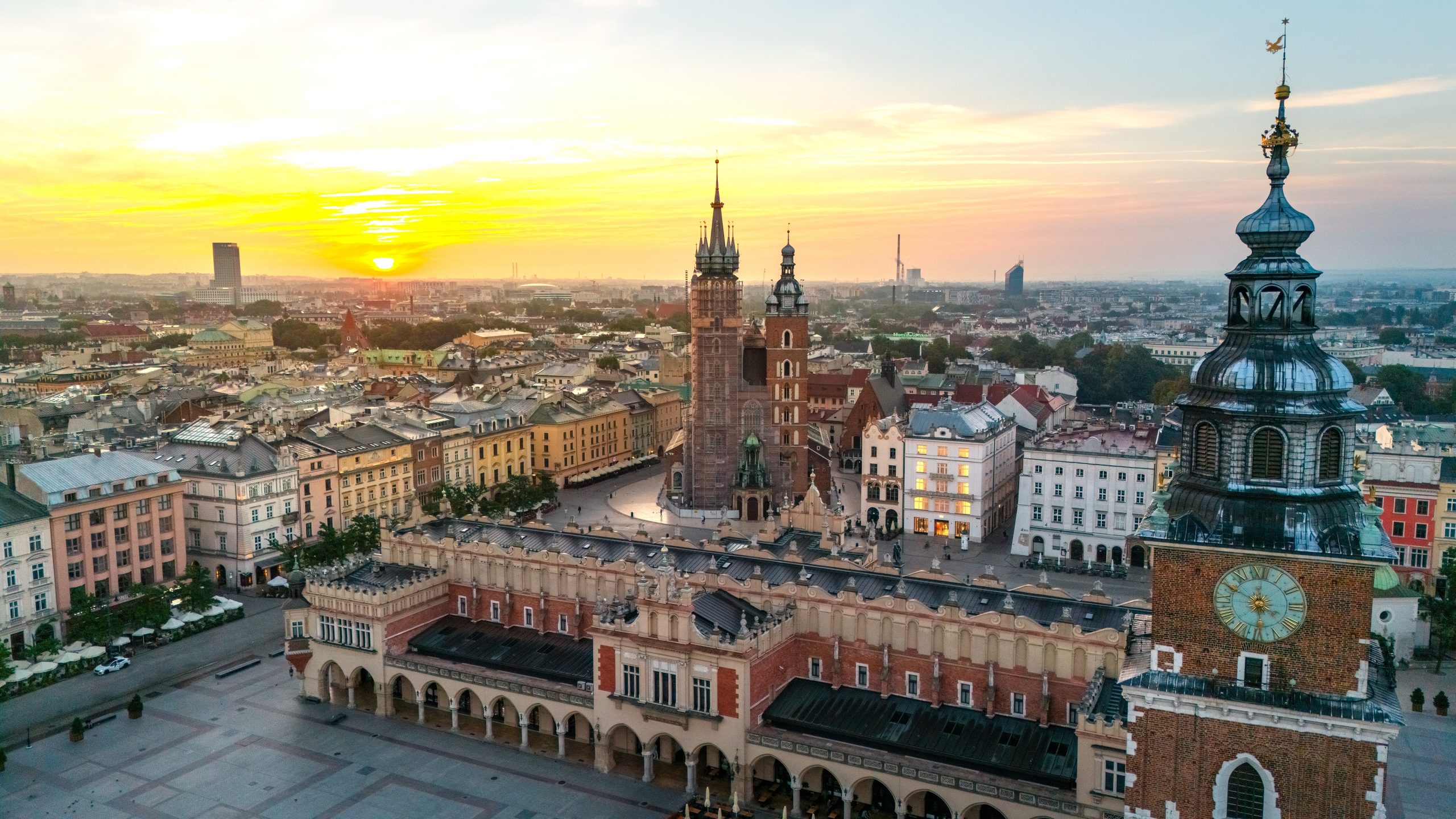
Kraków is one of those bases that makes life feel easy. It’s compact, organized, and incredibly routine-friendly—ideal if you want a walkable European month where you can focus without constantly battling logistics. You can choose a neighborhood, find a couple of go-to cafés, set your gym/coworking rhythm, and feel settled fast. It’s also great for the “workweek focus + weekend exploring” lifestyle: weekdays can be calm and productive, and weekends offer plenty of culture, food, and nearby trips. If you want a base that feels stable and comfortable rather than chaotic and overstimulating, Kraków is a strong pick.
Recommended walkable neighborhoods:
Stare Miasto (Old Town) (very walkable, more tourist foot traffic)
Kazimierz (cafés, culture, popular nomad choice)
Podgórze (quieter, value pockets, still walkable)
What to know: Great café scene, easy transit, and a strong “work + explore” balance.
Best for: A calm, walkable, affordable European base with strong daily routines.
Watch-out: Winters can be cold/gray if that affects your mood.

Region: Europe
Tbilisi is a high-value base with a very distinct personality—perfect for nomads who want something different from the usual Western Europe circuit. The city has walkable pockets where life is genuinely easy: cafés, bakeries, markets, and coworking within reach, plus a daily rhythm that often feels slower and more local. Tbilisi also shines for longer stays because you can get comfortable quickly and then start uncovering the city’s layers: food culture, neighborhoods with character, and an overall “live here for a while” vibe. The big unlock is choosing the right area—walkability isn’t uniform, but the best pockets can feel incredibly livable.
Recommended walkable neighborhoods:
Vera (cafés, central, walkable)
Sololaki (historic, central, charming streets)
Vake (more residential, parks, comfortable routine)
Mtatsminda (lower areas) (views, but avoid steep-only routes)
What to know: Great food scene, solid coworking/cafés, and good value potential—especially for longer stays.
Best for: Long-stay nomads who want a walkable pocket + strong value.
Watch-out: Hills + sidewalks/road crossings vary by area.
Region: Latin America
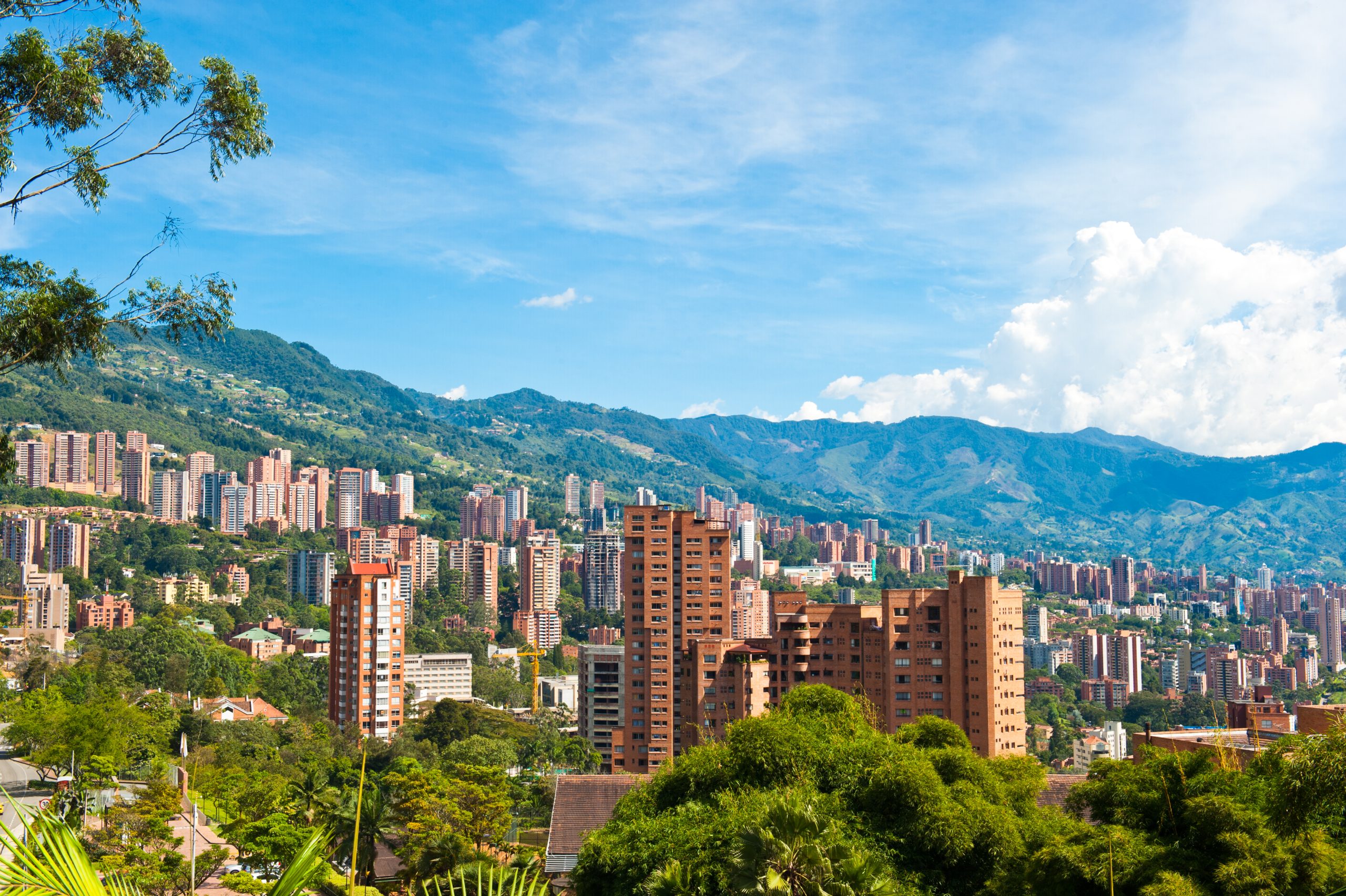
Medellín is a “build your routine and thrive” kind of base—especially if you choose a walkable neighborhood that fits your comfort level. When you get it right, daily life is easy: morning coffee, a walkable work session, coworking nearby, gym and dinner all without feeling like you need a car. It’s also one of the better cities for community: you’ll find other nomads, meetups, and a general ecosystem that makes settling in faster. Medellín isn’t one-size-fits-all though—your experience can change dramatically by neighborhood—so the premium move is to pick your pocket intentionally based on your priorities (walkability, noise, vibe, comfort at night).
Recommended walkable neighborhoods:
Laureles (walkable, local, flatter streets, great for routines)
El Poblado (select pockets) (popular, lots of options, varies by micro-area)
Envigado (near the center) (more local feel, great walkable zones)
What to know: Weather is a major plus. Coworking is plentiful. Neighborhood selection matters a lot for comfort.
Best for: Community + routines + mild weather in a walkable neighborhood pocket.
Watch-out: Safety/comfort can change street-to-street; choose intentionally.

Region: Latin America
Mexico City is one of the most rewarding walkable bases in the world if you love “city life done right.” The best neighborhoods offer that perfect nomad mix: leafy streets, parks, cafés everywhere, coworking options, and endless food—and you can actually walk through your day without thinking too hard. It’s also a city that stays interesting for a full month (or longer) because each neighborhood has its own vibe and your routines can evolve without you ever getting bored. The premium approach here is choosing your exact pocket: pick a neighborhood where your walkable triangle is easy and your noise/comfort preferences match the street.
Recommended walkable neighborhoods:
Roma Norte / Roma Sur (cafés, walkable, popular)
Condesa (green, beautiful, very walkable)
Juárez (central, great access, lively)
Coyoacán (more neighborhood-y, slower pace)
What to know: Walkability is fantastic in these pockets, and transit/ride share makes everything else easy.
Best for: City lovers who want walkability, variety, and top-tier food/café culture.
Watch-out: Noise and air quality vary—pick your pocket carefully.
Region: Latin America
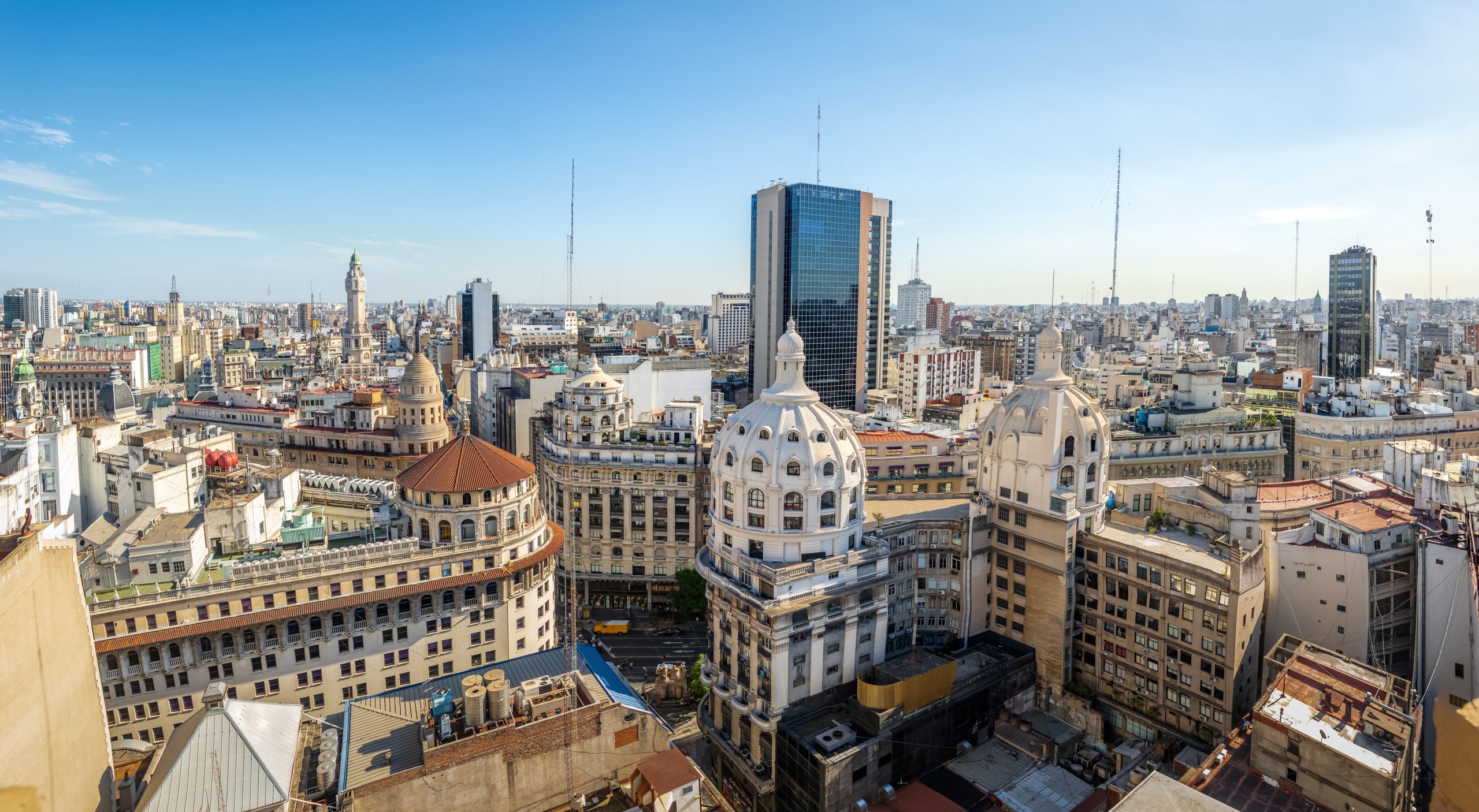
Buenos Aires is a city for people who want their daily life to feel alive. Many neighborhoods are naturally walkable, and the café culture makes routines feel social and enjoyable instead of purely functional. It’s also a great place for the “work by day, live by night” nomad rhythm: you can be productive during the day and then step into a city that feels vibrant in the evenings without having to plan much. If you choose the right neighborhood, you’ll find a really satisfying balance of walkability, culture, and daily convenience. The one thing to keep in mind is flexibility—pricing and logistics can shift—so it’s best approached with a plan but not a rigid expectation.
Recommended walkable neighborhoods:
Palermo (Soho/Hollywood) (cafés, parks, lively)
Recoleta (classic, walkable, polished)
Colegiales / Belgrano (pockets) (more local, calmer)
What to know: Strong café culture and a very walkable lifestyle in the right areas.
Best for: Social nomads who want a lively, walkable city routine.
Watch-out: Costs/logistics can shift—keep plans flexible and check current prices.
Region: Latin America
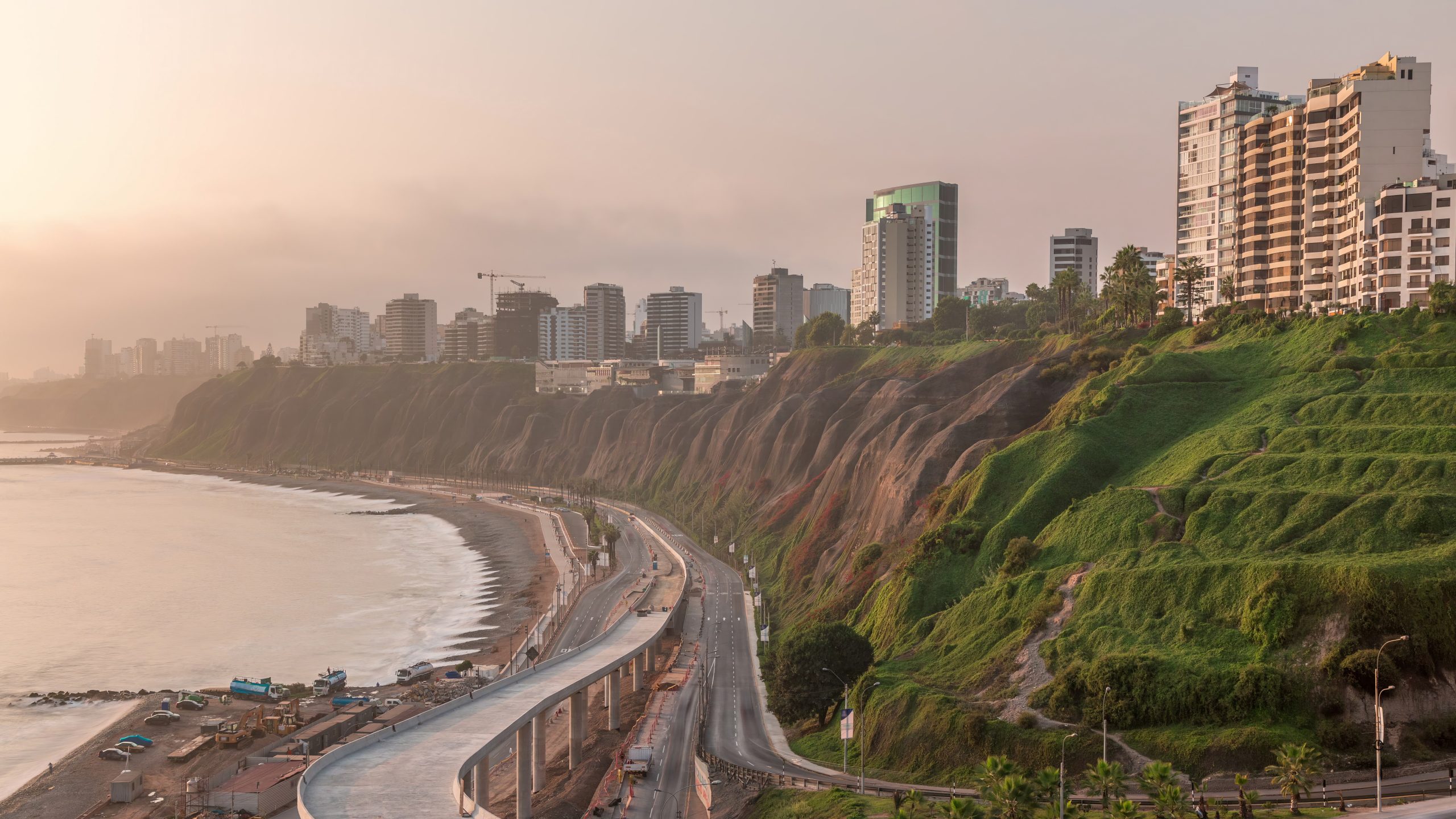
Lima is a surprisingly strong base when you prioritize coastal neighborhoods and routines. The lifestyle is less about “cute city wandering” and more about calm consistency: parks, ocean walks, reliable daily errands, and a food scene that makes your week feel rich without trying. It’s especially good if you want a month where you can focus, stay healthy, and still feel like you’re living somewhere special—long seaside walks before work, café afternoons, and easy dinners that remind you why you’re doing the nomad thing in the first place. Like many cities, the premium experience is neighborhood-dependent: pick the coastal pockets and Lima becomes a very comfortable base.
Recommended walkable neighborhoods:
Miraflores (most convenient, parks, oceanfront walks)
Barranco (artsy, walkable pockets, more nightlife)
San Isidro (select areas) (calmer, polished, very routine-friendly)
What to know: Coastal walking paths and parks are a big quality-of-life boost.
Best for: Calm routines, coastal walks, and a strong food scene.
Watch-out: Seasonal gray (“garúa”) can be a mood factor.

Region: Asia
Chiang Mai remains a go-to base because it’s one of the easiest places in the world to set up a nomad routine. The infrastructure is built for remote work: coworking options, café culture, community, and neighborhoods where you can keep daily life simple. It’s not “European-style walkable” everywhere, but in the right areas your day-to-day becomes very smooth—walk to coffee, quick ride to coworking, easy errands, great food, repeat. Chiang Mai is also a strong choice if you want to prioritize productivity without feeling isolated—there’s a built-in ecosystem that makes meeting people and finding your rhythm quick.
Recommended walkable neighborhoods:
Nimman (cafés + coworking, very popular)
Old City (select areas) (walkable, charming, varies by street)
Santitham (more local/value pockets near Nimman)
What to know: Massive infrastructure for remote workers. Great routines. Plenty of community.
Best for: Productivity, coworking, and easy daily life.
Watch-out: Burning season/air quality at certain times of year.
Region: Asia
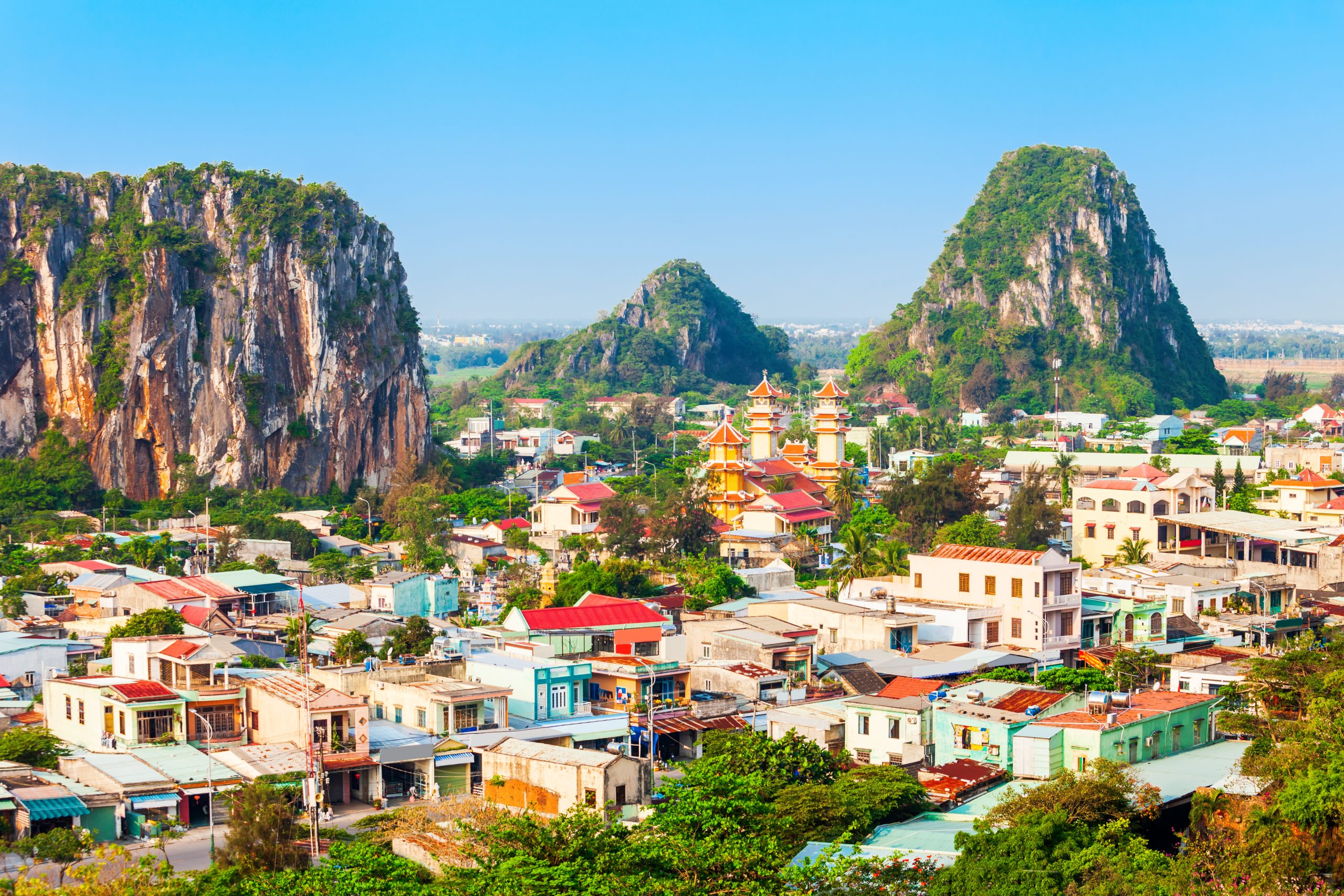
Da Nang is a “simple life, great routine” base—especially if you choose the beachside pocket where daily life is naturally walkable. It’s ideal for nomads who want their month to feel healthy and consistent: morning beach walks, café work sessions, gym routines, and a calmer pace that still feels energizing. The biggest appeal is that you can keep life minimal and still feel like you’re living well—beach access, strong value potential, and a lifestyle that encourages movement. Da Nang also works well for longer stays because it’s easy to settle into a rhythm without constantly chasing novelty.
Recommended walkable neighborhoods:
My Khe / An Thượng (the main walkable beach pocket)
Son Tra (edges) (depending on exact location—great lifestyle)
What to know: Many nomads build a consistent routine here (gym, beach, cafés).
Best for: Beach routines + value + long stays.
Watch-out: Weather seasons affect comfort; choose months intentionally.

Region: Asia
Kuala Lumpur is a convenience-first base that can feel extremely premium for the cost when you choose the right neighborhood. It’s not the kind of city where you wander charming streets all day—but it is a place where daily life can be incredibly smooth: modern apartments, excellent amenities, strong transit, and walkable pockets built around dense neighborhoods and lifestyle hubs. If your definition of “walkable” is “I can do errands, cafés, gym, and groceries without needing a car,” KL delivers—especially combined with transit backup. The key is selecting an area designed for this kind of lifestyle; once you do, it’s a very low-friction city.
Recommended walkable neighborhoods:
Bangsar (walkable, expat-friendly, food/cafés)
KLCC (central, modern, walkable infrastructure)
Mont Kiara (easy routines, more residential/expat feel)
TTDI (pockets) (local vibe, good daily life)
What to know: Walkability + transit is the magic combo here; it’s a strong “no-car lifestyle” city.
Best for: Convenience, modern infrastructure, and easy routines with transit backup.
Watch-out: Heat + rain—covered walkways and timing matter.
Region: Asia
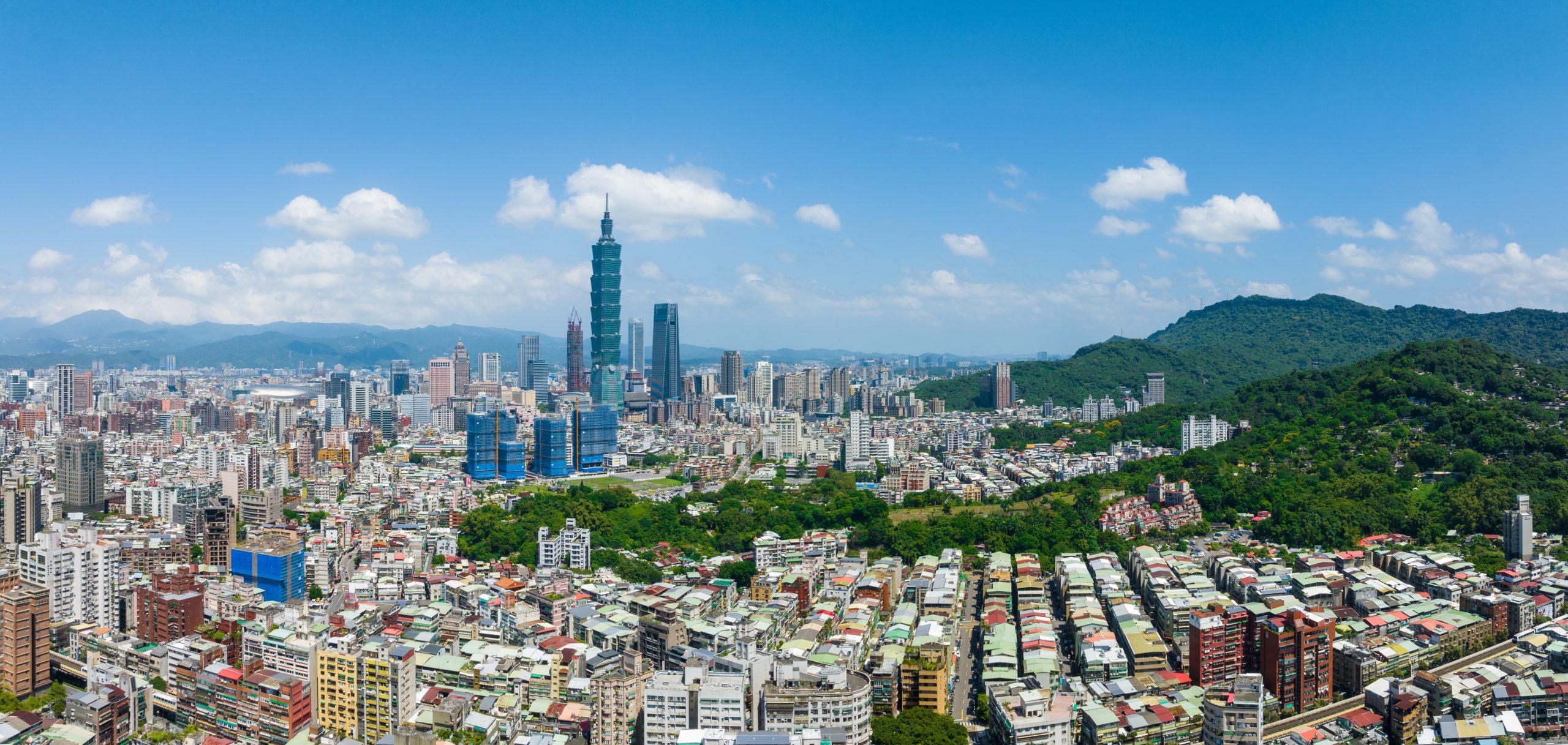
Taipei is “easy mode” in the best way. It’s one of the most frictionless cities for daily life: clean, safe-feeling, walkable, and supported by some of the best public transit anywhere. If you want a base where things just work—finding food, getting around, setting up a routine, staying productive—Taipei is a standout. It’s also a city where walkability and functionality go together: you can build a neighborhood-based life (parks, cafés, errands) and still have the entire city accessible within minutes. Taipei tends to feel premium not because it’s flashy, but because it’s efficient, comfortable, and consistent—exactly what you want when you’re trying to live well while working remotely.
Recommended walkable neighborhoods:
Da’an (parks, cafés, very livable)
Zhongshan (central, walkable, lots of amenities)
Xinyi (modern, walkable, polished)
Shida / Gongguan (pockets) (student energy, food, walkable daily life)
What to know: Transit is excellent, food is incredible, and the city is built for walking + ease.
Best for: Low-friction living, safety-feel, and a walkable + transit lifestyle.
Watch-out: Housing costs vary—budget depends heavily on neighborhood and apartment style.