Atlas Snapshot:
Best for: Kathmandu works well if you want a culture-rich city base with easy “big moments” after work—temples, squares, craft markets, and quick day trips—while keeping your weekdays stable via coworking. It’s especially good for writers/creators and anyone who likes mixing routine with discovery.
Not great if: You need a frictionless, highly organized city experience, super-quiet streets, or you’re sensitive to dust/noise/traffic energy. The first few days can feel like sensory overload until you dial in your neighborhood and work setup.
Best stay length: 2–3 months
Kathmandu Overall Budget: $1,150 per month
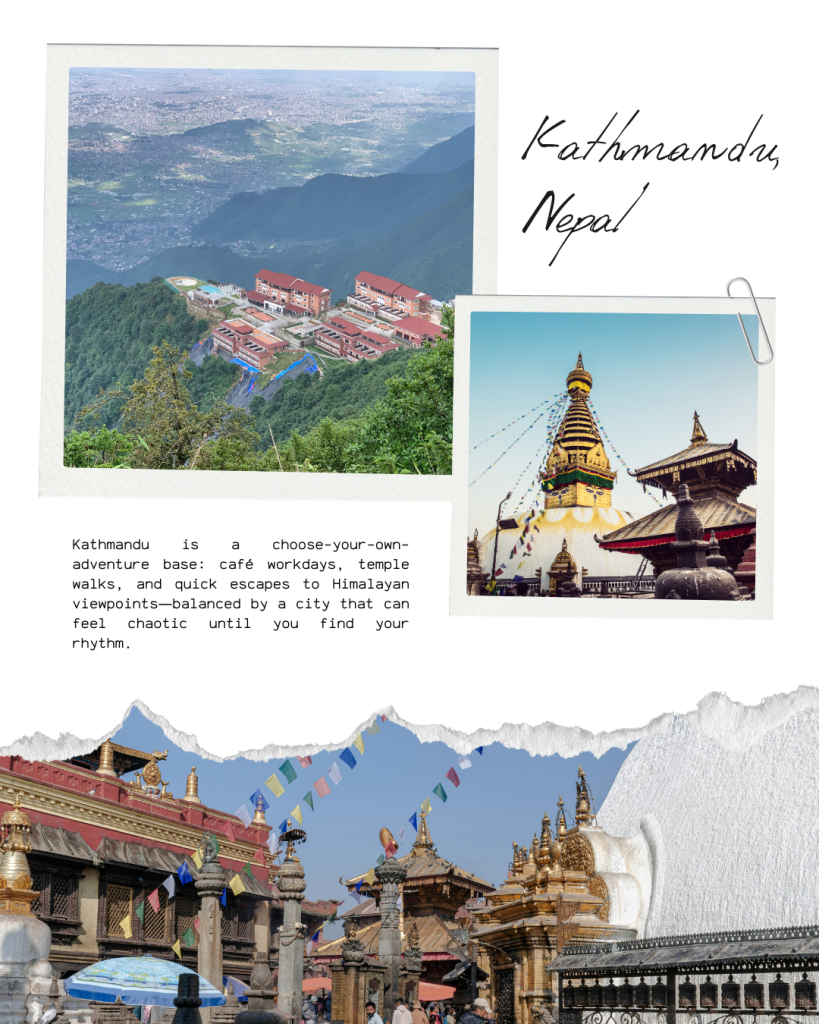
Where to Live (Choose Your Vibe)
Lazimpat
Best for: calmer “home base” feel + cafés; good for deep work and a smoother daily routine
Quick caution: you’ll still taxi to many sights; check traffic noise on main roads
Thamel (edge streets > center lanes)
Best for: social, convenience, short stays, tours/day trips on tap
Quick caution: can be noisy and busy—choose a quieter pocket if you’re working early mornings
Boudha (near Boudhanath Stupa)
Best for: slower pace + great walking loop vibes; a more grounded, local-feeling routine
Quick caution: farther from some nightlife/coworking clusters—plan your commute
Patan / Jhamsikhel (Lalitpur, across the river)
Best for: a more neighborhood-y, café-forward vibe that many nomads find easier for daily life
Quick caution: commute into central Kathmandu can be slow at peak times
Coworking + Café Reality Check
Coworking scene: Kathmandu’s coworking scene is surprisingly solid—great for locking in reliable internet, A/C, and call-friendly space when your accommodation is hit-or-miss. Community tends to be friendly and founder/NGO heavy, so networking can happen naturally if you want it.
Café workability: Good for a few focused hours, but comfort and noise can vary—plan on coworking for heavy meeting days.
Backup internet plan: Get a local eSIM + hotspot so you’re covered if your building’s Wi-Fi dips.
Check out:
Work Around (Kathmandu) — Best all-around: practical, community-oriented coworking option.
Impact Hub Kathmandu — Community + events: strong “meet people / build things” energy with coworking and programming.
Work Hub (Kathmandu) — Focused workdays: straightforward coworking setup; good for consistency.
Regus (Kathmandu) — Premium/predictable: business-style option when you want meeting rooms and a more corporate setup
What makes IT unique + things to do
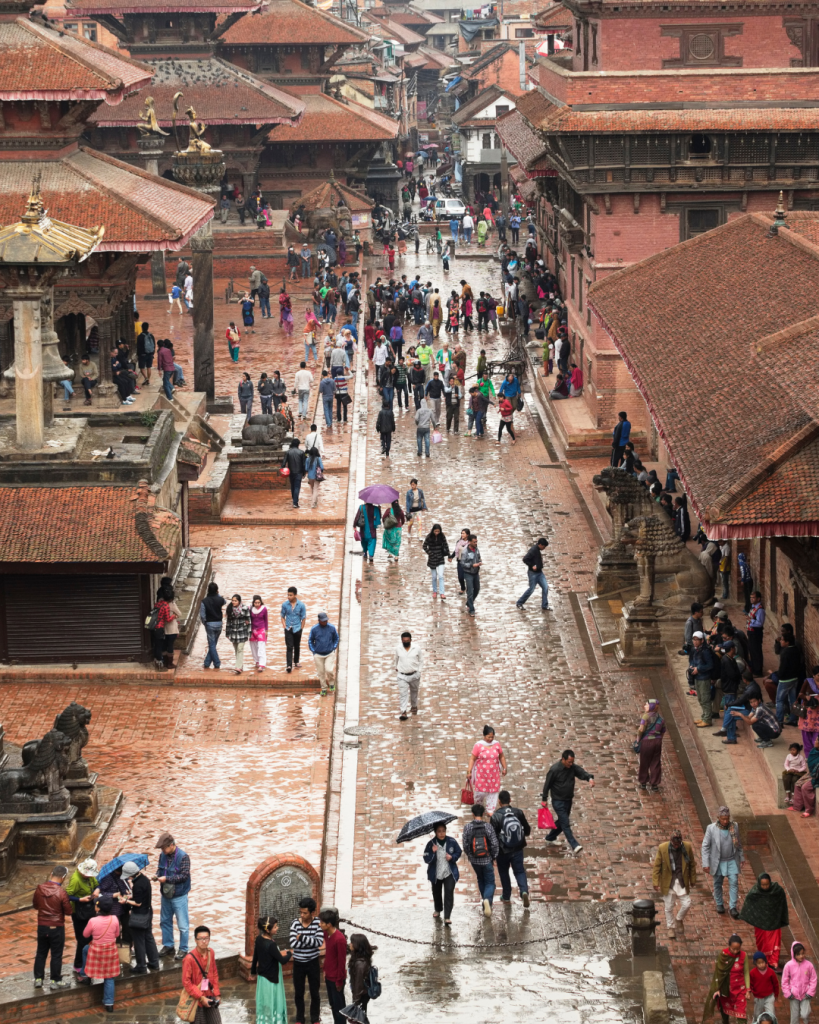
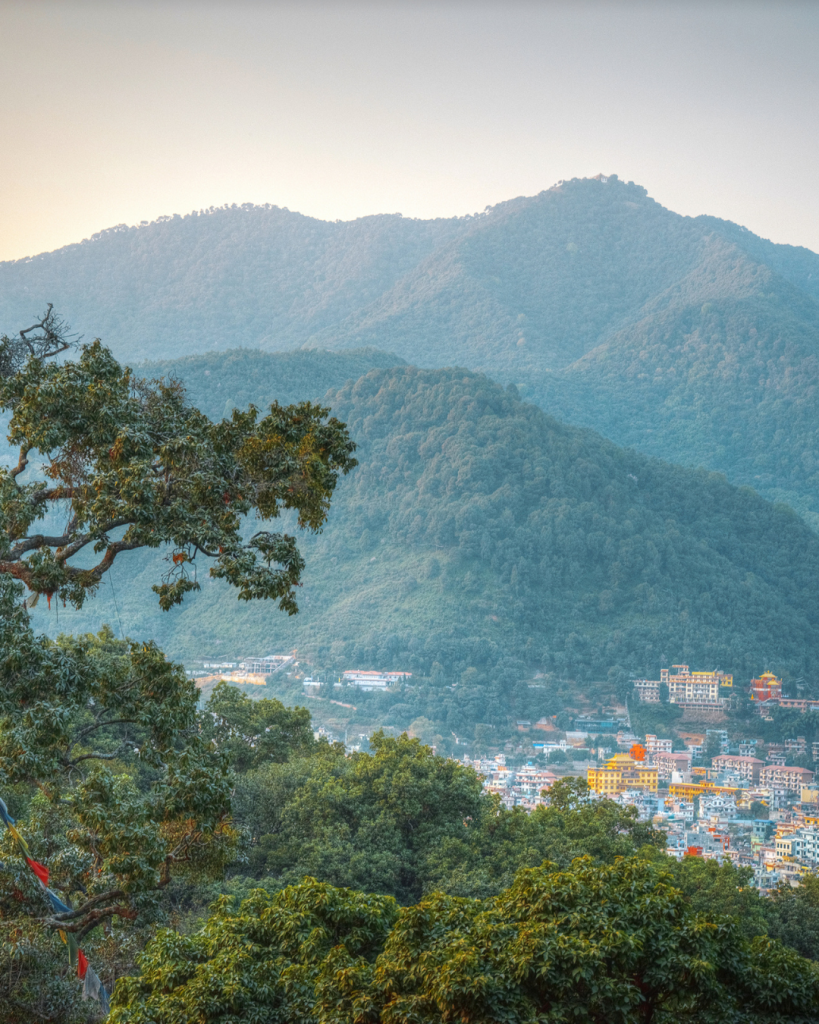
Kathmandu feels like a living museum with real daily life layered on top—temple courtyards, incense, craft streets, and café hideouts—plus it’s one of the easiest places to add “Himalayan proximity” to your routine without planning a full expedition.
Things To Do:
Kathmandu Durbar Square for history and architecture (go earlier to avoid peak crowds).
Boudhanath Stupa loop (sunset walk + tea is a vibe).
Swayambhunath (Monkey Temple) for city views—keep your belongings close and stay aware around monkeys.
Pashupatinath area for a powerful cultural site (be respectful; it can be intense).
Day trip to Bhaktapur or a viewpoint like Nagarkot (weather visibility worth verifying).
Good to know
Most nomads lean on taxis and private drivers for ease. Walking is great in pockets (Durbar/Boudha/Patan), but traffic and sidewalks can be inconsistent—use caution and don’t assume cars will yield.
The clearest, most comfortable windows are typically fall (Oct–Dec) and spring (Mar–Apr/May); monsoon season can bring heavy rain and hazier views.
Kathmandu can be very affordable day-to-day, but “comfortable nomad living” costs more when you prioritize quiet, consistent power, a real desk, and reliable Wi-Fi (worth verifying in reviews—especially for older buildings).