Atlas Snapshot:
Best for: You want a walkable routine, standout food, and deep cultural texture (craft, music, markets) in a city that rewards slow living. It’s especially good if you like anchoring in one neighborhood and repeating your favorite café/work loop.
Not great if: You need a huge city pace, lots of late-night skyscraper energy, or you prefer “set-and-forget” logistics—Oaxaca runs on local rhythms, and a little flexibility goes a long way. As in many cities, it’s smart to stay aware at night and keep routes straightforward.
Best stay length: 2–6 weeks
Where to Live (Choose Your Vibe)
Centro Histórico (around the Zócalo / Andador Turístico)
Best for: maximum walkability, food, sights, easiest “everything close” routine
Quick caution: can be lively/noisy; choose your street/building carefully (worth verifying)
Jalatlaco
Best for: charming, calmer mornings, pretty streets, still close to Centro
Quick caution: small streets + occasional nightlife pockets; noise varies
Reforma
Best for: a more residential feel with cafés and space; good for longer stays
Quick caution: you’ll walk/ride a bit more to the main historic core
Xochimilco
Best for: local-feeling neighborhood vibe with an easy stroll into Centro
Quick caution: quieter nights, but fewer “everything-right-there” options
Coworking + Café Reality Check
Coworking scene: Oaxaca has a real coworking footprint—enough to build a consistent schedule without hunting every day. Most nomads mix coworking for call-heavy days and cafés for lighter blocks.
Café workability: Very workable in central areas (especially mornings). For long calls or deep-focus stretches, coworking usually feels smoother.
Backup internet plan:
Use an eSIM with generous data so you can hotspot if Wi-Fi is busy or inconsistent.
Check out:
Gubixi — Minimal, practical coworking in Centro; a good budget-friendly desk day.
CÉNTRICO Cowork — Creative, community-forward space (often a great “best all-around” pick).
Selina Oaxaca — Social, flexible option with a built-in coworking vibe near the historic core.
- AGBHUB Coworking — More “professional office” vibe (good if you want quieter, meeting-friendly energy vs. social coworking)
What makes IT unique + things to do
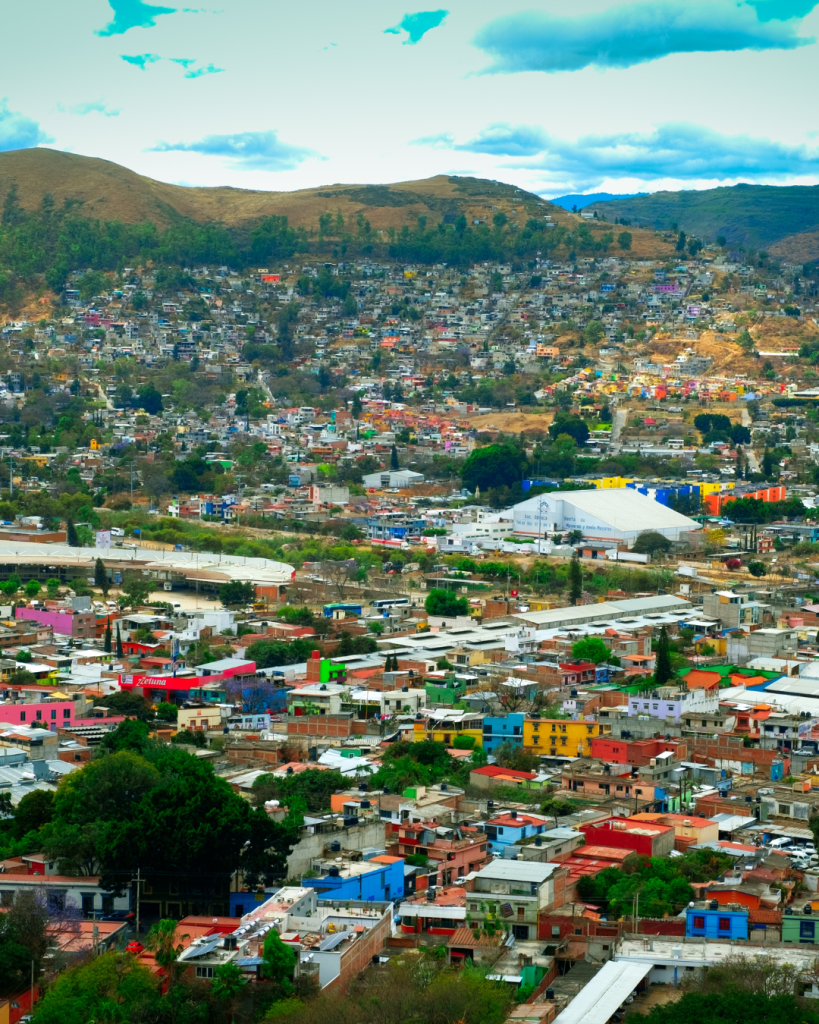
Oaxaca feels like a city built for your senses: markets that pull you in, craft traditions that are still alive (not staged), and a food culture that turns “grab dinner” into the main event. It’s also one of those places where a simple routine gets premium fast—same walking loop, same café, same plaza bench—yet it never feels repetitive because there’s always a new mole, a new mezcal tasting, or a new artisan street to stumble into.
Things To Do:
Start with the Zócalo for people-watching, live music vibes, and a nightly reset walk.
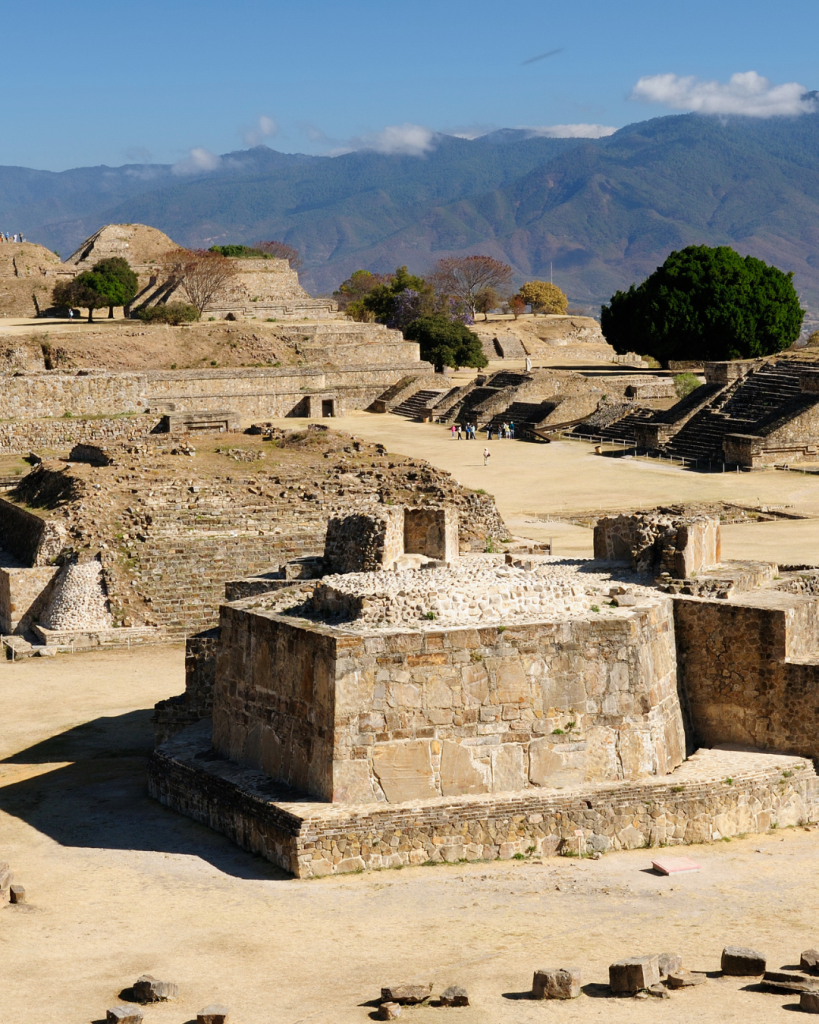
Do a half-day at Monte Albán for big views + history (go early to avoid heat/crowds).
Build your “market loop” (Benito Juárez / 20 de Noviembre area is a common anchor—worth verifying your favorite entrances/times).
Take a mezcal-focused evening (tasting bar or flight) and keep it paced—easy to overdo.
Book a day trip to Hierve el Agua / Mitla-style route (operator quality and road time are worth verifying).
- Monte Albán ruins (pictured left) — A must for big views + history; go earlier in the day for a calmer experience, and bring sun protection/water.
Good to know
If you stay in Centro/Jalatlaco, you can live very walk-first. For farther hops, taxis and local buses are common, and buses are generally an efficient way to get around once you learn the routes.
Oaxaca’s rainy season typically runs late spring through early fall, often showing up as afternoon showers; the drier months tend to feel easiest for long walking days.
Day-to-day can feel reasonable, but your total spend is usually driven by accommodation (and how central you go) plus how many tours/day trips you stack into a week.