Atlas Snapshot:

Best for: social + deep work (lots of coworking options + solid routines), food/culture lovers (endless variety without overplanning), transit-first city living (easy to move fast)

Not great if: noise-sensitive (busy hubs stay lively late), need cheap housing (small spaces + competitive rentals), strict US-time overlap (late calls add up)
Best stay length: 1 month

Walkability:High
Transit-Friendly:High
Co-Work Friendly Score: 4
Internet Reliabilty: 5

Tokyo Overall Budget: $4,250 per month

Where to Live (Choose Your Vibe)

  • Shibuya / Ebisu / Nakameguro (west-side, trendy + social)

    • best for: social + café hopping + after-work plans, still workable for deep work with the right apartment

    • quick caution: weekend crowds and nightlife pockets can mean late noise—screen listings for street-facing windows

  • Shinjuku / Yoyogi / Sendagaya (hyper-connected + practical)

    • best for: logistics, fast city access, easy transit for coworking and meetups

    • quick caution: some blocks feel hectic—choose a quieter sub-area and avoid being right on major roads

  • Asakusa / Kuramae / Ueno (east-side, more classic + local feel)

    • best for: culture-heavy days, calmer evenings, a more “neighborhood” pace

    • quick caution: English support can drop off a bit; commute convenience depends heavily on your nearest line

  • Meguro / Shimokitazawa / Kichijoji (residential-leaning, routine-friendly)

    • best for: quieter home base, repeatable daily rhythm, parks + slower mornings

    • quick caution: you may trade off centrality—double-check your door-to-door commute to your main coworking spots

Coworking + Café Reality Check

Coworking scene: Strong and professional—lots of polished spaces with day passes and phone booths. Popular locations can fill up at peak times, so having 1–2 backup spots is smart.

Café workability: Plenty of options, but not every café loves laptops for long sessions—look for places with clear laptop policies and reliable seating.

Backup internet plan: Grab a reputable Japan eSIM and keep hotspot capability as your “meeting insurance.”

Check out:

  • THE HUB Shibuya — includes coworking/lounge + quiet/silent areas (handy for calls).

  • Creative Lounge MOV (Shibuya Hikarie) — work-lounge style with drop-in options; great when you want a reliable seat in the center of everything.

  • WeWork Shibuya Scramble Square (Shibuya) — iconic location, strong “plug in and focus” vibe.

What makes Tokyo unique (and what to do)

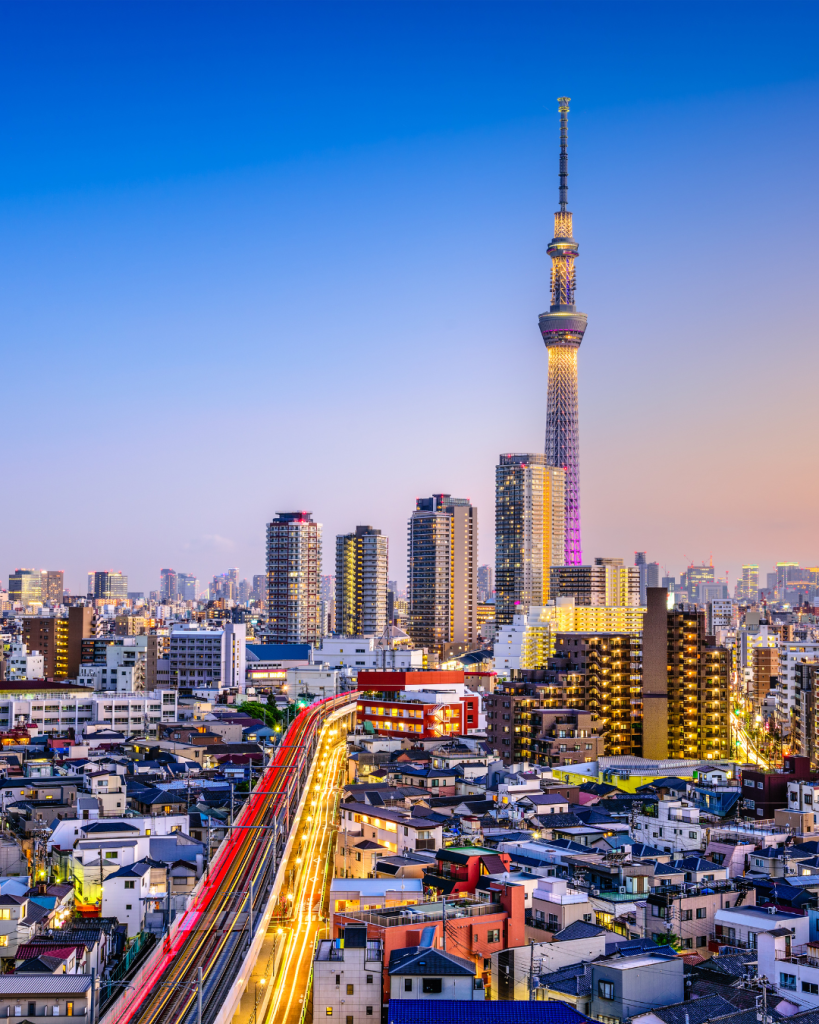
Tokyo is basically a stack of “mini-cities”—each neighborhood has its own pace, aesthetic, and rules of engagement. The result: you can build a hyper-efficient routine (transit, convenience, coworking) while still getting constant novelty—quiet gardens one minute, neon chaos the next. Worth noting: it’s generally comfortable, but stay aware in crowded areas and late nights, like any major city.

Do these first (high ROI):

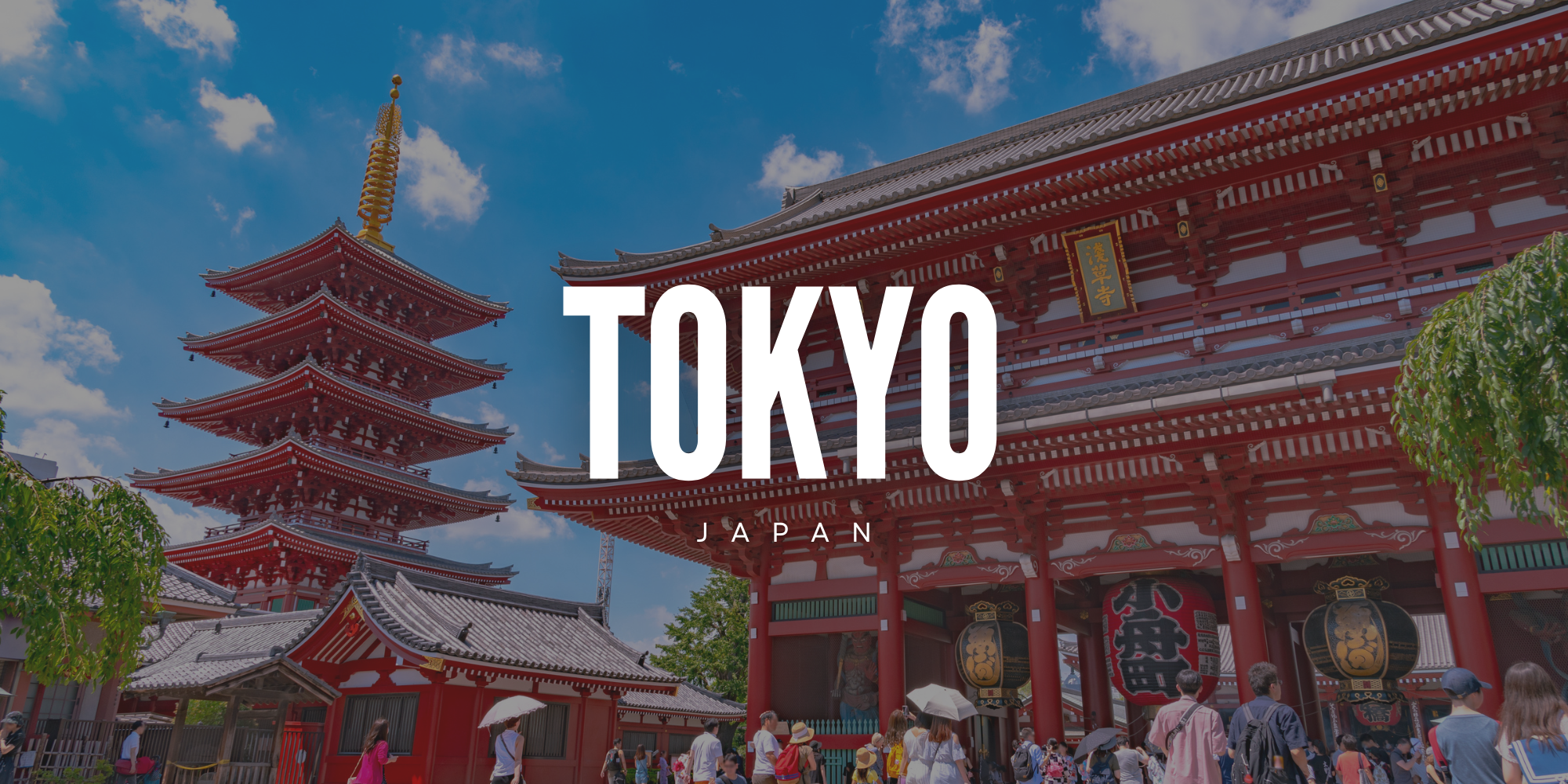
  • Senso-ji (Asakusa) for classic Tokyo energy + an easy first-day anchor.

  • Meiji Jingu + Yoyogi Park (Harajuku area) for a calm reset without leaving the city.

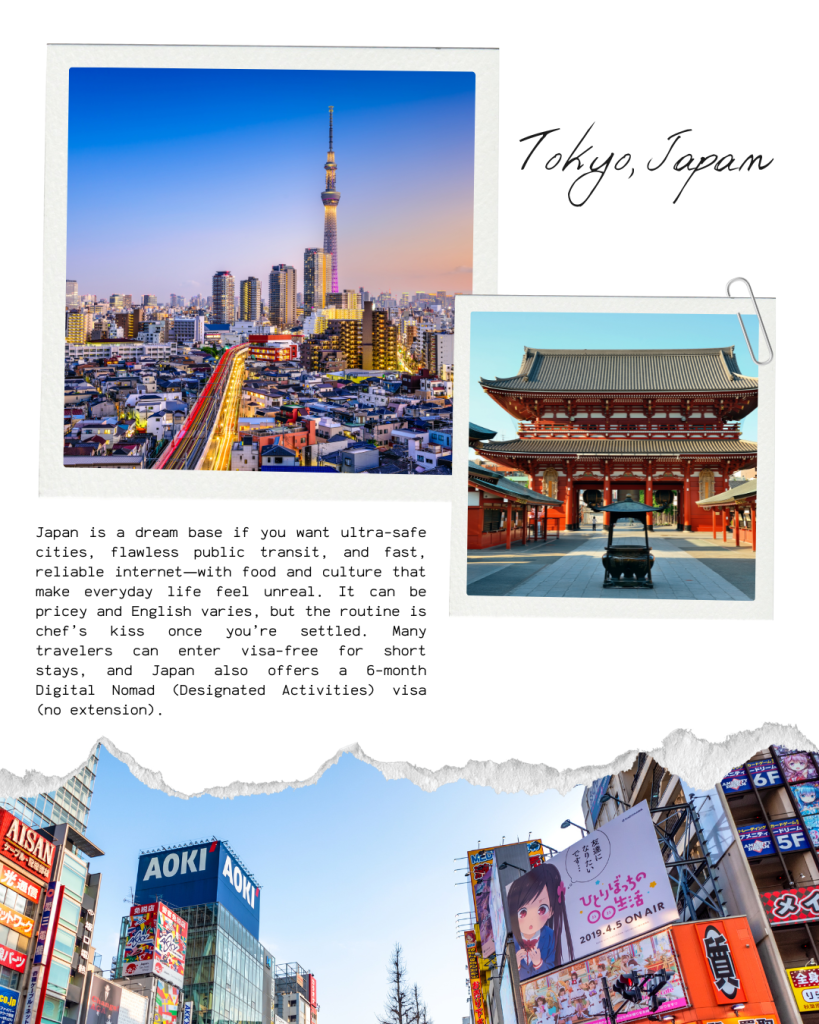
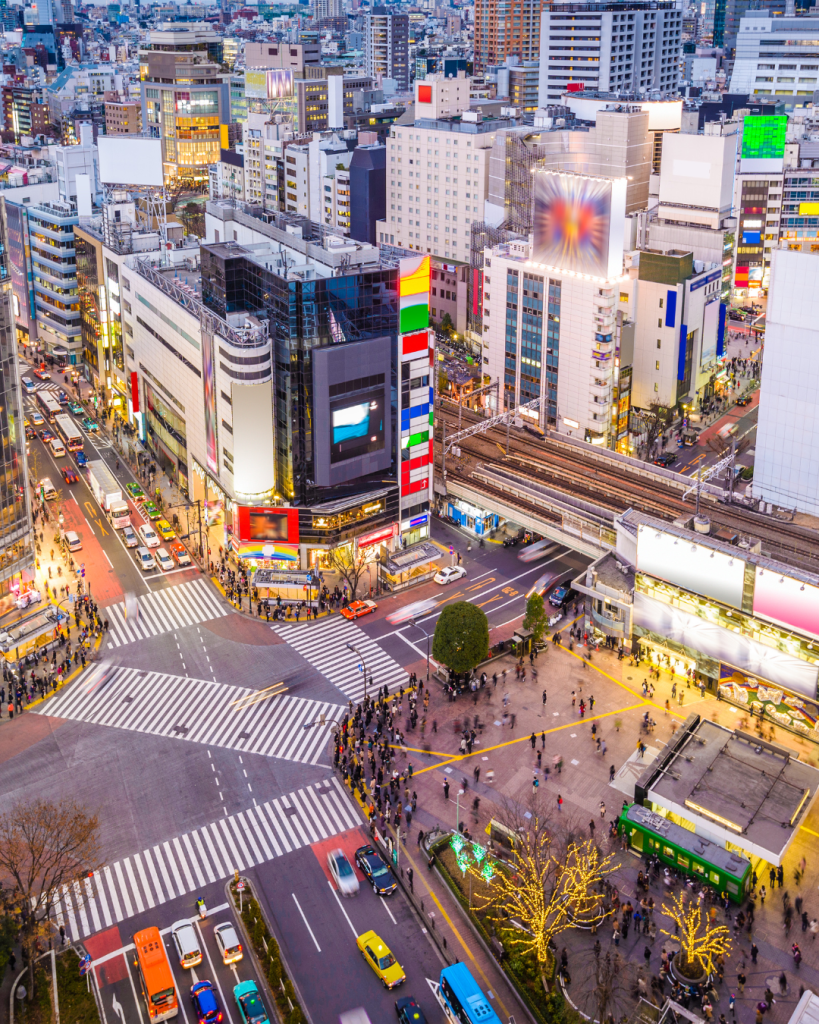
  • Shibuya Crossing + Shibuya Sky for the “wow, I’m here” moment and a skyline view.

  • Tsukiji Outer Market for snack-hopping and food culture (the big auction moved, but the energy remains).

  • teamLab Planets (Toyosu) for a modern, immersive art experience (book ahead).

If you want the “only in Tokyo” contrasts:

  • Ginza for polished, high-end shopping streets.

  • Shimokitazawa for thrift, cafés, and a more laid-back, indie neighborhood feel.

  • Shinjuku at night for lights, people-watching, and peak city intensity (use normal caution in nightlife areas).

Good to know

Getting Around

Tokyo is easiest with transit + walking—pick housing within a short walk of a station you’ll use daily, and you’ll save a ton of time and friction. Rideshares/taxis are useful as an occasional late-night fallback.

Climate Notes

Expect true seasons: spring/fall feel easiest, while summer can be hot and humid and early-summer tends to be rainier. Winters are generally cool and crisp—pack layers for indoor/outdoor temp swings.

Budget Notes

Tokyo rewards planning: it’s easy to spend unintentionally on convenience, transit taps, and “just one more” meals. You can keep costs steadier by choosing a slightly more residential neighborhood, cooking a few times a week, and treating premium experiences as planned splurges instead of defaults.