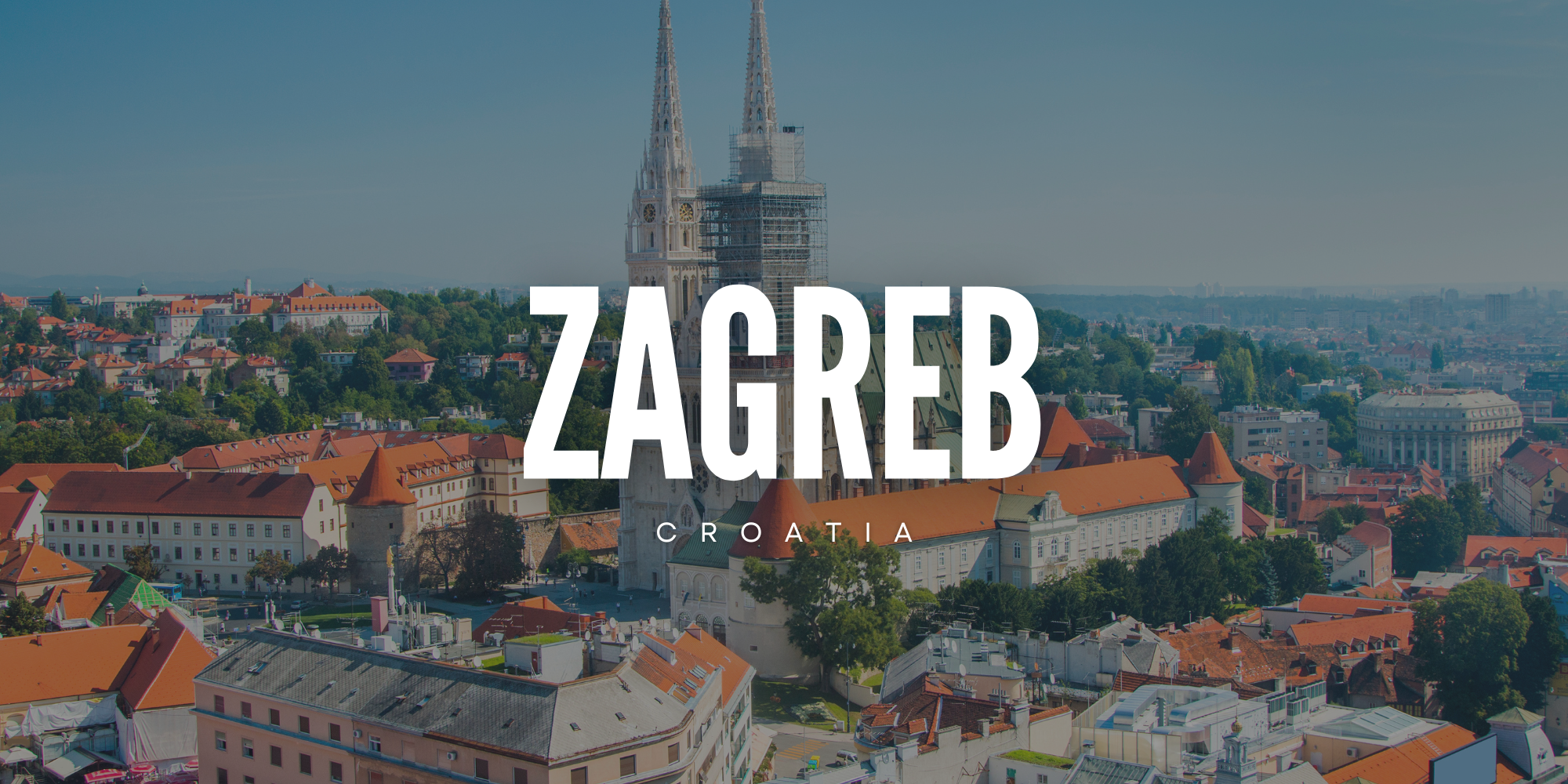
Atlas Snapshot:
Best for: If you want an underrated European capital with “liveable city” energy—strong café culture, parks, and a compact center that’s easy to navigate. It’s a good pick for steady workweeks with plenty of museum/culture breaks, plus weekend nature escapes without doing a whole travel-day.
Not great if: You’re chasing guaranteed beach weather, or you rely on late-night coworking/café scenes every day of the week. Winters can feel gray and damp, and some apartments can be older—noise/insulation is worth screening carefully.
Best stay length: 1 month
Zagreb Overall Budget: $2,295 per month
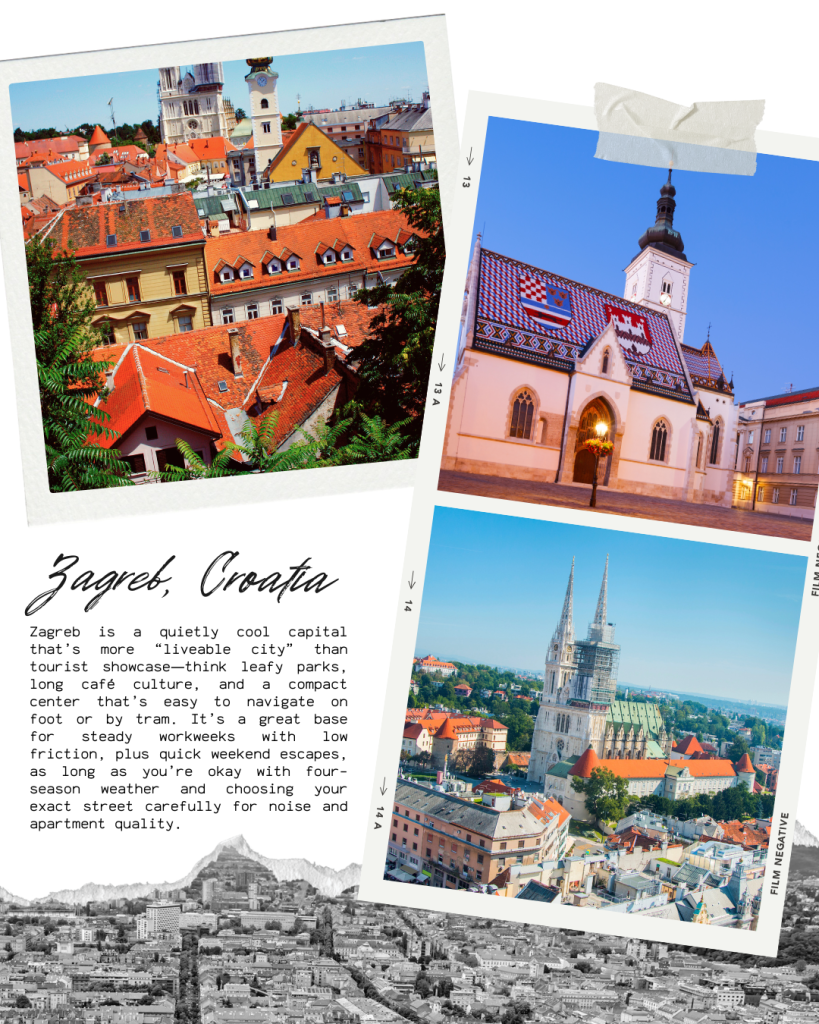
Where to Live (Choose Your Vibe)
Donji Grad (Lower Town / “Centar”)
Best for: Walk-everywhere convenience, café work sessions, museums, and a classic “Zagreb grid” lifestyle.
Quick caution: Central streets can be lively; double-check street noise and window quality.
Gornji Grad–Medveščak (Upper Town / historic core + nearby streets)
Best for: Historic charm, scenic walks, and a more “postcard” day-to-day vibe.
Quick caution: Can feel touristy in pockets; hills/stairs and cobblestones aren’t ideal if you want ultra-practical errands.
Maksimir
Best for: Green space lifestyle near Maksimir Park—nice if you want calmer mornings and a more residential feel while staying connected.
Quick caution: You’ll lean more on transit for nightly social plans.
Trešnjevka (inner neighborhood, more local feel)
Best for: Value + “real city” vibe, with lots of everyday life and fewer tourist patterns.
Quick caution: Pick your exact micro-location carefully to keep commute simple.
Coworking + Café Reality Check
Coworking scene: Zagreb’s coworking options are legit—good community energy, plus a few polished “business hub” spaces if you prefer quieter, office-like setups. Most people do best by choosing one main coworking and keeping 1–2 café backups.
Café workability: Very workable, especially in central areas—just be a good guest, avoid camping during peak meal times, and keep a hotspot ready for off days.
Backup internet plan: Grab a local eSIM and keep hotspot mode handy for apartment Wi-Fi hiccups.
Check out:
HUB385 — Great all-around (community + events, solid for full workdays).
Impact Hub Zagreb — Community-forward, good if you like purpose-driven/social impact circles.
BIZkoshnica — Cozy, central, creative vibe (nice “regulars” energy).
WESPA Spaces — More “premium office hub” feel (good if you want polish and structure).
What makes IT unique + things to do
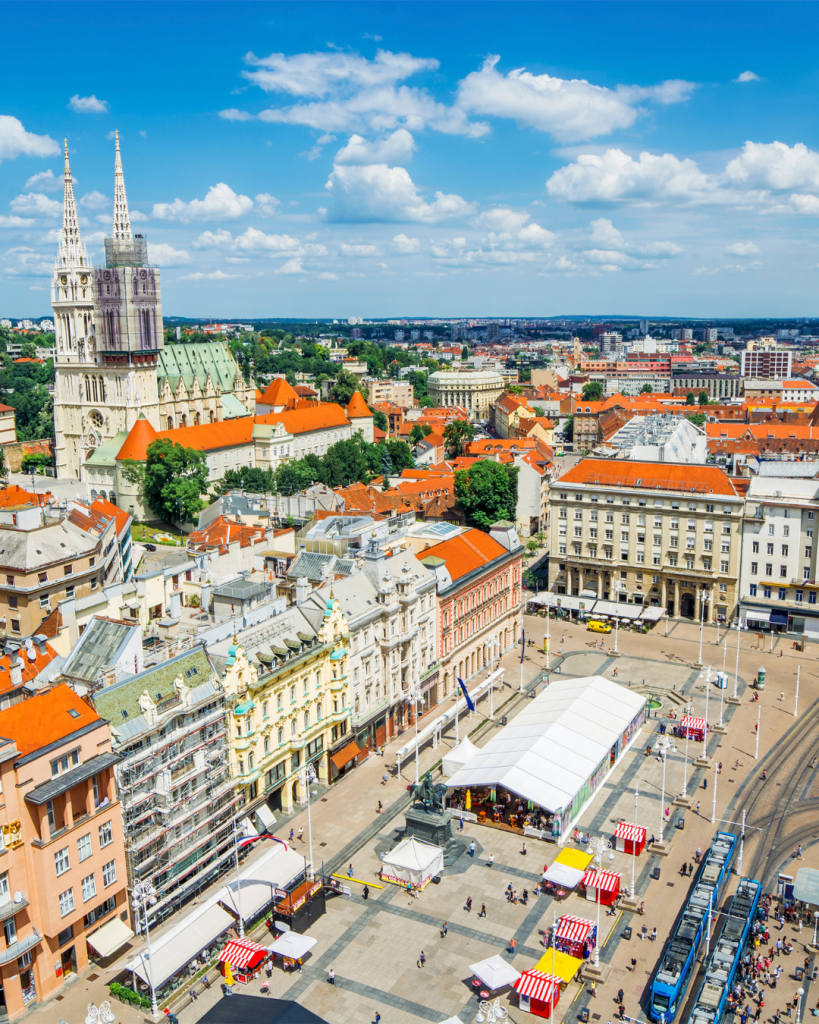
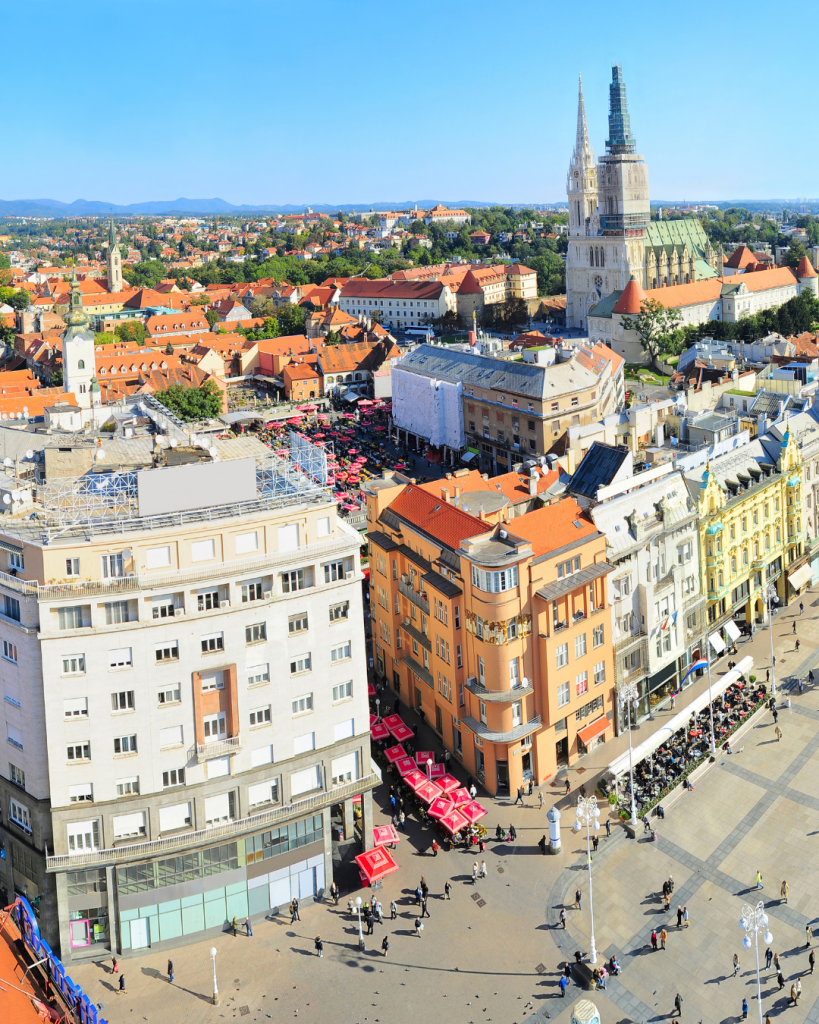
Zagreb feels like a Central European city that never fully turned into a tourist machine—more daily rituals than hype. Expect long café hangs, green parks woven into the center, and a mix of Austro-Hungarian elegance with a creative, slightly quirky streak.
Spend a slow morning around Ban Jelačić Square and nearby streets (classic “get oriented” loop).
Do an Upper Town wander (views, old streets, quick museum hits).
Park reset days in/around Maksimir Park.
Build a “café circuit” in Donji Grad—work, walk, repeat.
Good to know
For day-to-day, tram + walking is the move; it’s a very functional setup for living centrally.
Climate is mild with distinct seasons; summer can be warm with thunderstorms, and winter can feel damp/chilly—pack layers and plan for indoor-friendly workdays.
Generally mid-range for Europe’s capitals. The best savings usually come from picking a slightly more local neighborhood and prioritizing apartment fundamentals (quiet, heat/AC, desk) over “most central possible.”