

The Ultimate Digital Nomad Guide to Chiang Mai, Thailand

Chiang Mai isn’t just another stop on the digital nomad trail — it’s the place where remote workers from every corner of the world go to level up their lifestyle. Thousands of location-independent professionals have already planted roots here, drawn by a mix you’ll struggle to find anywhere else: insanely affordable living, a thriving international community, and a quality of life that makes work-life balance feel effortless.

Miss it, and you’re missing out on one of the most established nomad hubs on the planet. From legendary coworking spaces to street food that costs less than your morning coffee back home, Chiang Mai is where everyday life feels like an upgrade.

This guide covers it all — visas, neighborhoods, the coworking scene, the real cost of living, and insider resources to help you hit the ground running. If you’re serious about living and working abroad, here’s why Chiang Mai needs to be at the very top of your list.

Why Chiang Mai is a Digital Nomad Hotspot

Unbeatable Affordability Meets High Quality of Life

Chiang Mai’s magic lies in its ability to stretch your nomad budget without compromising on lifestyle. While cities like London or San Francisco drain bank accounts, here you can enjoy restaurant meals for $3-5, monthly apartment rentals from $300-800, and coworking memberships under $100. Yet you’re not sacrificing comfort—you’ll find modern amenities, reliable internet, and world-class healthcare at a fraction of Western costs.

A Tight-Knit Global Community

Unlike other nomad destinations where the community feels scattered, Chiang Mai’s digital nomad scene is remarkably cohesive. Regular meetups, networking events, and social gatherings happen almost daily. Whether it’s the monthly Nomad Summit, weekly coworking socials, or impromptu weekend trips to nearby national parks, you’ll quickly find your tribe. The city strikes that perfect balance—large enough for diversity but small enough that you’ll start recognizing familiar faces within weeks.

The Perfect Work-Life Balance Hub

Chiang Mai delivers on every front that matters to remote workers. By day, you’ll choose between dozens of coworking spaces and laptop-friendly cafés with lightning-fast Wi-Fi. After work, the options are endless: explore ancient temples, hike mountain trails, indulge in legendary street food, or enjoy the surprisingly vibrant nightlife scene. The city seamlessly blends productivity with adventure, making it easy to maintain that elusive work-life balance.

Your Gateway to Southeast Asia

Beyond its own attractions, Chiang Mai serves as the perfect base for exploring Southeast Asia. Budget airlines connect you to Bangkok (1 hour), Vietnam (2 hours), and the rest of the region for under $100. Many nomads use Chiang Mai as their home base, taking weekend trips to Cambodia’s temples or month-long workations in Vietnam, always returning to their established routine and community.

Sean Pavone/Shutterstock

Thailand Digital Nomad Visa: How to Stay Long-Term

Navigating Thailand’s visa landscape as a digital nomad has become significantly easier in recent years. Most nomads start with tourist visas (30-60 days) or visa exemptions, which can be extended once for an additional 30 days. For longer stays, visa runs to neighboring countries have traditionally been the norm, though Thailand has introduced new nomad-friendly options including the Destination Thailand Visa (DTV) which allows for longer stays under specific conditions.

The visa situation continues to evolve as Thailand recognizes the economic benefits of attracting remote workers. While tourist visas and extensions work for shorter stays, having a proper long-term visa strategy is crucial if you’re planning to make Chiang Mai your base.

If you’re serious about setting up Chiang Mai as your base, the right visa makes all the difference. We’ve broken down exactly how to apply, the requirements, and pro tips in our full step-by-step guide.

👉 How to Get the Thailand Digital Nomad Visa (Complete requirements, application process, and insider tips)

Best Places to Live in Chiang Mai

Choosing the right neighborhood can make or break your Chiang Mai experience. Each area offers distinct advantages depending on your priorities, budget, and lifestyle preferences.

Old City is perfect for culture enthusiasts who want to live among ancient temples and traditional Thai architecture. The area offers excellent walkability and historical charm, though it can feel touristy and options are limited for modern amenities.

Nimmanhaemin (Nimman) has earned its reputation as nomad central—trendy, walkable, and packed with cafés, coworking spaces, and international restaurants. It’s pricier than other areas but offers the most convenience for the typical nomad lifestyle.

Santitham provides a more local experience with growing nomad appeal. You’ll find authentic Thai culture, lower prices, and emerging coworking spaces, though it requires more effort to connect with the international community.

Hang Dong attracts those seeking space and tranquility outside the city center. Perfect for longer stays and larger apartments, but you’ll need transportation to reach nomad hubs and social scenes.

Want the full breakdown of the top neighborhoods digital nomads actually live in—plus rental ranges and insider tips? We’ve put it all together for you here.

👉 Best Places For Digital Nomads to Live in Chiang Mai (In-depth neighborhood guide with pricing and local insights)

Coworking & Café Culture

Chiang Mai’s coworking scene is legendary among nomads, and for good reason. The city boasts an incredible density of workspaces—from sleek modern offices to charming converted houses—all at prices that would seem impossible elsewhere. Monthly memberships typically range from $50-100, while day passes cost just $5-10.

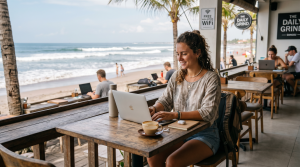
What sets Chiang Mai apart is how its café culture seamlessly integrates with the coworking ecosystem. Many cafés genuinely welcome laptop users for hours, offering reliable Wi-Fi, comfortable seating, and that perfect ambient buzz for productivity. Unlike cities where café working feels tolerated at best, here it’s actively encouraged.

The variety is stunning—you might start your week at a minimalist space in Nimman, switch to a jungle-themed café in the mountains, then end at a rooftop coworking space with mountain views. Each space cultivates its own community, hosting everything from skill-sharing workshops to Friday night social hours.

From trendy open-air lofts to jungle hideaways, Chiang Mai has dozens of coworking spaces and laptop-friendly cafés worth exploring. We’ve rounded up the best spots for reliable Wi-Fi and strong community.

👉 Best Coworking Spaces for Digital Nomads in Chiang Mai (Complete reviews, pricing, and what makes each space special)

Mumemories/Shutterstock

Lifestyle in Chiang Mai

Building Your Daily Routine

Life in Chiang Mai naturally falls into a rhythm that balances productivity with exploration. Most nomads develop routines around morning workouts (excellent gyms cost $20-30/month), coworking sessions, and evening social activities. The city’s compact size means you can easily bike or scooter between work, accommodation, and social spots.

Regular community events keep the social calendar full—from weekly language exchanges and entrepreneur meetups to monthly nomad conferences and weekend group trips. The networking opportunities are organic and genuine, leading to lasting friendships and business collaborations.

Food Culture That Never Gets Old

Chiang Mai’s food scene spoils nomads beyond repair. Street food stalls serve restaurant-quality meals for under $2, while international options satisfy every craving. The famous weekend markets become social events where nomads gather to eat, shop, and catch up. Many find themselves becoming food adventurers, trying everything from northern Thai specialties like khao soi to finding their favorite som tam vendor.

Nature at Your Doorstep

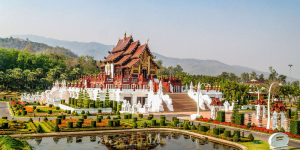
When you need a break from screens, Chiang Mai delivers. Ancient temples provide peaceful meditation spots right in the city center. Weekend hiking trails lead to waterfalls and mountain viewpoints just 30 minutes away. Doi Inthanon National Park offers multi-day adventures, while elephant sanctuaries provide ethical wildlife experiences. The proximity to nature helps many nomads maintain mental health and work-life balance in ways that urban nomad destinations simply can’t match.

First time in Chiang Mai? Don’t miss our full travel guide—it covers what to see, what to do, and all the local tips you need to feel at home right away.

👉 Chiang Mai Travel Guide: What to See, What to Do, & What to Know For Your First Visit (Complete city guide with hidden gems and practical tips)

Cost of Living in Chiang Mai

Chiang Mai’s affordability remains one of its strongest draws, especially when compared to other popular nomad destinations. Here’s what you can expect to spend:

Accommodation: $300-800/month for comfortable apartments, $150-400 for basic setups. Many nomads opt for condos in Nimman ($500-700) for convenience or spacious places in Santitham ($300-500) for value.

Coworking: $50-100/month for unlimited access, $5-10 for day passes. Most spaces include excellent Wi-Fi, printing, and community events.

Food: $200-400/month depending on how often you cook. Street food runs $1-3 per meal, restaurant dining $5-15, while Western food and nice dinners cost $10-25.

Transportation: $50-100/month total. Songthaew rides cost $0.50, Grab rides $2-5 around the city, monthly scooter rentals $50-80.

Lifestyle expenses: $200-500/month for gym memberships ($25), weekend trips ($50-200), massages ($8-15), and entertainment.

Most nomads find they can live very comfortably on $1,200-1,500/month while maintaining a lifestyle that would cost $4,000-6,000 in cities like Lisbon, Mexico City, or Bali. The key is that you’re not sacrificing quality—you’re often upgrading your lifestyle while spending significantly less.

Mumemories/Shutterstock

Should You Base Yourself in Chiang Mai?

Chiang Mai delivers on the core promise that drew you to digital nomadism in the first place: the freedom to live well while working remotely. Its combination of affordability, established nomad infrastructure, and genuine community makes it one of the most stress-free places to establish your remote work routine.

The city excels at solving the practical challenges that derail many nomad experiences—reliable internet, reasonable housing costs, easy visa processes, and built-in social connections. You’ll spend less time worrying about logistics and more time focusing on your work and adventures.

That said, Chiang Mai isn’t for everyone. The air quality during burning season (February-April) can be challenging for sensitive individuals. The pace is decidedly more relaxed than major cities like Bangkok or Singapore, which some nomads find limiting after extended stays. And while the international community is strong, those seeking cutting-edge tech scenes or fast-paced startup environments might find it lacking.

But for nomads seeking that sweet spot of affordability, community, and quality of life, Chiang Mai remains unmatched. Whether you’re testing the nomad lifestyle for the first time or looking for a place to settle into a longer-term routine, this city provides the perfect foundation for remote work success.