Live Like a Local: 9 Destinations Made for Slow Travelers and Digital Nomads

Slow travelers, listen up – if you’re craving depth over checklists — these are the best places to truly live, not just visit. In 2025, more travelers and digital nomads than ever were trading in quick trips for slow, meaningful stays.

As we go into the new year, we’re seeing more and more that the slow-travel movement is all about connection — waking up to the same view for weeks instead of days, learning the rhythm of a neighborhood, and blending into the community instead of standing out as a tourist. It’s not just a different way to travel; it’s a mindset shift that transforms how you experience the world.

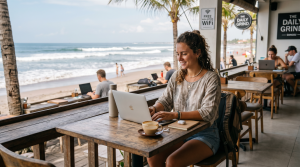
Whether you’re working remotely from a European café, exploring Southeast Asia between projects, or taking time off to recharge somewhere peaceful, these destinations invite you to slow down and take it all in. They’re affordable, welcoming, and designed for long stays — offering the perfect balance of culture, comfort, and connection for anyone ready to live like a local.

What Slow Travel Really Means

Slow travel isn’t just about taking a longer trip — it’s about shifting your mindset away from sprint-seeing tourist hotspots toward daily rhythm, local routines, and genuine community. In contrast to fast tourism, slow travel emphasizes taking time, living fully in a place, and often supporting the local culture and environment.

For digital nomads especially, this means swapping five-cities-in-one-week for a 2-to-4-week stay (or more) in a place where you can work, play, and connect. The result? Less burnout, more meaning, and a pace that feels like home.

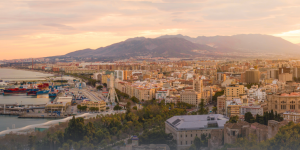
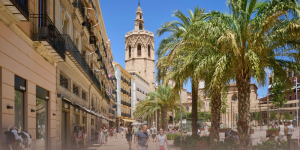
Granada, Spain, Photographer: marcin jucha /Shutterstock

The 9 Best Destinations for Slow Travel & Remote Work

Granada, Spain

With its Moorish architecture, laid-back rhythms and mountain backdrop, Granada is a compelling choice for slow travellers seeking culture, comfort and connection. Nestled in Andalusia and less crowded than Spain’s major tourist hubs, it offers a slower pace of living without sacrificing access to cafés, tapas bars and historic charm.

Why it works: Less tourist-crowded than the major hubs, but full of culture, slower pace, and local charm.

Live like a local tip: Take a lunch break around 2 pm, then wander through the Alhambra gardens in late afternoon before meeting locals for evening tapas.

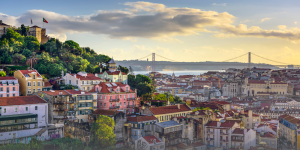
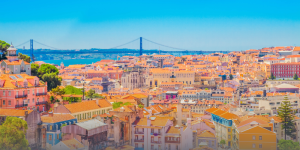
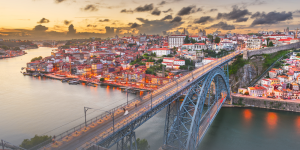
Lisbon, Portugal, Photographer: Pawel Kazmierczak /Shutterstock

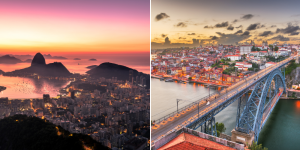
Lisbon, Portugal

Set on the Atlantic coast, Lisbon combines historic charm, sunny skies and a thriving remote-work scene—making it one of Europe’s premier slow-travel destinations. You’ll stroll cobblestone streets, sip espresso at outdoor terraces, and blend into neighbourhood life—not just tick off tourist sights. According to digital-nomad guides, Lisbon offers modern infrastructure, friendly locals, and quality of life that rivals more expensive capitals.

Why it works: A growing remote-worker and digital-nomad friendly culture, plus visa options and strong expat infrastructure.

Live like a local tip: Learn a few Portuguese phrases, catch the tram to Belém in the morning, and spend Friday afternoons in a neighborhood café doing light work with a view.

Tanjung Tokong, Penang, Photographer: Tatiana Diuvbanova /Shutterstock

Penang, Malaysia

If your version of slow travel includes food, culture, and island charm, Penang might just be your dream base. Known as the “Pearl of the Orient,” this tropical island city in northwest Malaysia is a paradise for digital nomads and travelers who want depth without chaos. Penang blends history, creativity, and a relaxed coastal rhythm — giving you the best of both worlds: the energy of a city and the calm of an island.

Why it works: Affordable living, tons of personality, great Wi-Fi, and world-class street food make it easy to stay awhile and work comfortably.

Live like a local tip: Stay in Pulau Tikus or Tanjung Tokong, eat at hawker stalls, and take sunset walks along the coast.

Ubud, Bali, Photographer: Cocos.Bounty /Shutterstock

Ubud, Bali (Indonesia)

Ubud, the lush cultural heart of Bali, embodies what slow travel is all about: sacred rice fields, yoga mornings, artisan markets and relaxed afternoons. Unlike Bali’s party zones, Ubud invites you to settle in for weeks, work from open-air cafés, and engage in local crafts or mindfulness practices.

Why it works: You can work mornings, explore jungle trails afternoons, sip fresh juice by day, and still have reliable internet for calls.

Live like a local tip: Stay in a guesthouse overlooking the paddy fields, register for a Balinese lesson, and make weekends about local crafts and temples.

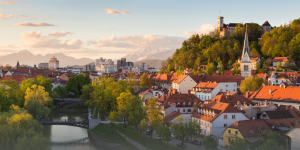
Ljubljana, Slovenia, Photographer: Matej Kastelic /Shutterstock

Ljubljana, Slovenia

Compact, green and welcoming, Ljubljana may not come first to mind when planning a nomad base—but it’s quietly one of Europe’s gems for slow travel. With walkable streets, good internet, bike paths and easy access to nature (like Lake Bled and Triglav National Park), this capital balances city comforts and relaxed living.

Why it works: Smaller than major capitals but strong infrastructure and emerging digital-nomad policies.

Live like a local tip: Rent a bike, ride to Lake Bled on a weekend, join local coworking afternoons, and explore Ljubljana’s artsy neighborhoods at your pace.

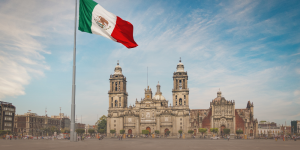
San Cristóbal de las Casas, Mexico, Photographer: Diego Grandi /Shutterstock

San Cristóbal de las Casas, Mexico

If you’re drawn to colonial towns, cooler mountain climes and a deeply authentic vibe, San Cristóbal in Chiapas is for you. Cobblestones, vibrant indigenous artisan markets and storytelling cafés make this town ideal for those wanting to slow down, reflect and take remote work off the treadmill.

Why it works: Affordable, culturally rich, and quiet enough to create a routine that blends work and wander.

Live like a local tip: Get up early for the market, rent a condo with a rooftop view, pick a favorite street café and make it your “office” for parts of the week.

Lecce, Italy, Photographer: Andrew Mayovskyy /Shutterstock

Lecce, Italy

Known as “the Florence of the South,” Lecce in Puglia delivers baroque architecture, slow meals, relaxed evenings and coastline access. It’s perfect for travellers who want to base in Italy—but with fewer tourists and gentler pace.

Why it works: Smaller scale than Rome or Milan, strong local life, and scenic drives to coasts when you need a change of scene.

Live like a local tip: Rent a scooter, take a food market run Wednesday morning, close your laptop at 4 pm and enjoy an aperitivo before dinner.

Hoi An, Vietnam, Photographer: Dzung Vu /Shutterstock

Hoi An, Vietnam

Lantern-lit evenings, riverside cafés and a compact old town make Hoi An a beautiful destination for long stays and introspective travel. Less chaotic than Saigon or Hanoi, it offers a serene base for your remote work days and exploring the local artisan culture.

Why it works: Cost-effective, relaxed, yet vibrant enough to stay connected and inspired.

Live like a local tip: Stay in one of the older homes converted into a guesthouse, explore nearby rice-terrace pathways, and adopt the rhythm of a neighborhood café by day.

Bansko, Bulgaria, Photographer: Wirestock Creators /Shutterstock

Bansko, Bulgaria

Hidden in the foothills of the Pirin Mountains, Bansko has quietly become one of Europe’s most beloved hubs for slow travelers and digital nomads. Once known primarily as a ski resort, this Bulgarian gem has evolved into a year-round destination where affordability, community, and nature combine in the best possible way. Bansko gives you the freedom to live comfortably on a smaller budget while enjoying crisp mountain air, hiking trails, and a global community of remote workers who’ve made it their base.

Why it works: Mountains, coworking spaces, and a slower pace than the big city hubs.

Live like a local tip: Move into a flat near the gondola, work mornings with a view, schedule afternoon hikes or spa sessions, and enjoy dinner with locals in town.

How to Do Slow Travel — and Do It Well

Slow travel isn’t about how many miles you cover — it’s about how deeply you connect. It’s the difference between rushing through destinations and living in them. Whether you’re working remotely or taking time off to reset, here’s how to make your experience more meaningful:


Stay Longer Than You Planned

Give yourself at least two to four weeks in each destination. It takes time to find your favorite café, learn the rhythm of local mornings, and feel at home.


Choose One Base and Explore From There

Instead of country-hopping, anchor yourself in one city or region. Use it as your home base to take short day trips or weekend adventures. You’ll build real connections and spend less time in transit.


Eat Where the Locals Eat

Skip the tourist spots. Try neighborhood hawker stalls, family-run restaurants, and weekly markets. Food is the fastest way to understand a culture.


Learn the Language (Even Just a Little)

A simple “thank you” or “good morning” in the local language goes a long way. It’s not about fluency — it’s about respect and curiosity.


Create a Daily Routine

Work, walk, shop, rest, repeat. Build small rituals — a morning coffee spot, an evening walk, a favorite vendor — to feel like you truly live there.


Travel Sustainably

Support small businesses, reuse, and choose slower transport when possible. Slow travel and sustainability go hand in hand — both are about care and connection.