10 Best Digital Nomad Cities in Mexico for 2025

Are you wondering: can you be a digital nomad in Mexico? The answer is a resounding yes! Mexico has quickly become one of the most popular destinations for remote workers, offering an incredible mix of vibrant culture, delicious food, stunning landscapes, and surprisingly affordable living costs. Whether you’re searching for where to live and work remotely in Mexico or looking for the best places in Mexico for digital nomads, this information-packed guide has you covered.

From the bustling streets of Mexico City to the laid-back beach vibes of Playa del Carmen, Mexico offers something for every type of digital nomad. Let’s dive into the top destinations that are making Mexico a digital nomad hotspot for remote workers in 2025.

What Makes Mexico a Top Destination for Digital Nomads in 2025?

Mexico’s appeal to digital nomads goes way beyond just cheap tacos and beautiful beaches (though those definitely don’t hurt). The country offers a unique combination of factors that make it ideal for remote work:

Proximity to the US and Canada means you’re never too far from home, with easy flights back for holidays or emergencies. Time zone compatibility is huge – most of Mexico shares time zones with North America, making it easy to sync up with clients and colleagues.

The cost of living is significantly lower than most Western countries, allowing your income to stretch much further. Cultural richness provides endless inspiration and experiences, while the growing expat community means you’ll never be short of like-minded friends.

Infrastructure improvements across major cities mean reliable internet and modern amenities are increasingly available. Plus, Mexico’s digital nomad visa (more on that later) makes it easier than ever to stay legally for extended periods.

Top Places to Live in Mexico as a Digital Nomad

Why Mexico City Is One of the Best Cities in Mexico for Digital Nomads

Mexico City (CDMX) is the beating heart of Mexico’s digital nomad scene. This massive metropolis offers world-class culture, incredible food, and a thriving tech ecosystem that attracts remote workers from around the globe.

Pros and Cons of Living in Mexico City as a Digital Nomad

Pros:

  • Incredible cultural scene with museums, galleries, and events
  • Massive expat and digital nomad community
  • Excellent public transportation system
  • World-renowned food scene
  • Endless neighborhoods to explore
  • Strong startup and tech ecosystem

Cons:

  • Air pollution can be an issue
  • Massive city can feel overwhelming
  • Higher cost of living compared to other Mexican cities
  • Traffic congestion
  • Altitude (7,350 feet) takes some adjustment


Internet Speed in Mexico City

Mexico City boasts some of the best internet infrastructure in Latin America. Average speeds range from 25-50 Mbps, with many coworking spaces and cafes offering speeds up to 100 Mbps. Fiber optic is widely available in most neighborhoods popular with expats.


Cost of Living in Mexico City for Remote Workers

Expect to spend $800-1,500 USD per month for a comfortable lifestyle. A nice one-bedroom apartment in popular areas like Roma Norte or Condesa runs $400-700 monthly. Meals at local restaurants cost $3-8, while groceries for a week run about $30-50.


Coworking Spaces and Cafes in Mexico City

Mexico City is packed with excellent coworking options. WeWork has multiple locations, while local favorites include Hubud Mexico City, LOOM, and Terminal 1. For cafe work, try Café de Tacuba, Starbucks Reserve, or Blend Station.


Is Mexico City Safe for Digital Nomads? What You Need to Know

Mexico City is generally safe for digital nomads who take basic precautions. Stick to well-known neighborhoods like Roma Norte, Condesa, Polanco, and Coyoacán. Avoid displaying expensive electronics openly and don’t walk alone late at night in unfamiliar areas.


Things to Do in Mexico City

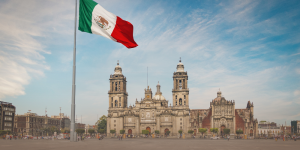
Mexico City is a cultural powerhouse with endless activities for curious nomads. Start with the Historic Center (Zócalo) to see the massive cathedral and Templo Mayor ruins. The Palacio de Bellas Artes hosts world-class performances and houses incredible murals by Diego Rivera.

Explore the trendy Roma Norte and Condesa neighborhoods for their tree-lined streets, Art Deco architecture, and vibrant cafe culture. Coyoacán offers cobblestone charm and the Frida Kahlo Museum, while San Ángel features weekend art markets and colonial architecture.

Don’t miss the Anthropology Museum (one of the world’s best), Chapultepec Castle with city views, and Xochimilco for colorful boat rides through ancient canals. The Mercado de San Juan is a foodie paradise, while Lucha Libre wrestling matches provide uniquely Mexican entertainment.

Take day trips to the Teotihuacán Pyramids (just an hour away) or explore the floating gardens of Xochimilco. The city’s street art scene in neighborhoods like Doctores and Roma rivals any in the world. With over 150 museums, countless galleries, and a food scene that earned UNESCO recognition, you’ll never run out of things to explore.

Playa Del Carmen

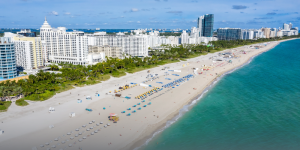
Playa del Carmen combines Caribbean beach vibes with a surprisingly strong digital nomad infrastructure. It’s the perfect spot if you want to work with your toes in the sand.

Pros and Cons of Living in Playa del Carmen as a Digital Nomad

Pros:

  • Beautiful beaches and warm weather year-round
  • Strong expat community
  • Relatively compact and walkable
  • Easy access to Cancun airport
  • Growing coworking scene
  • Perfect for beach lovers

Cons:

  • Can feel touristy and crowded
  • Hurricane season (June-November)
  • Limited cultural activities compared to larger cities
  • Seaweed (sargassum) can be an issue on beaches
  • Higher prices in tourist areas


Internet Speed in Playa del Carmen

Internet speeds average 15-30 Mbps, which is decent for most remote work needs. Many coworking spaces offer faster connections up to 50 Mbps. The infrastructure has improved significantly in recent years.


Cost of Living in Playa del Carmen for Remote Workers

Budget $700-1,200 USD monthly for a comfortable lifestyle. Beachfront apartments run $500-800, while inland options are $300-500. Eating out costs $5-12 per meal, and groceries run $40-60 weekly.


Coworking Spaces and Cafes in Playa del Carmen

Dojo Bali is the most popular coworking space, followed by Nest Coworking and Selina. For cafes, try Café La Perla, Imprevist, or Ah Cacao.

Is Playa del Carmen Safe for Digital Nomads? What You Need to Know

Playa del Carmen is generally safe, especially in the main tourist areas. Exercise normal caution, avoid isolated beaches at night, and be aware of your surroundings. The heavy police presence in tourist zones helps maintain security.

Tulum

Tulum has become the Instagram-famous destination for digital nomads seeking a bohemian beach lifestyle. Ancient Mayan ruins meet modern wellness culture in this unique destination.


Pros and Cons of Living in Tulum as a Digital Nomad

Pros:

  • Stunning beaches and cenotes
  • Yoga and wellness-focused community
  • Unique blend of ancient culture and modern amenities
  • Growing number of digital nomad events
  • Eco-conscious lifestyle
  • Beautiful natural setting

Cons:

  • Expensive compared to other Mexican destinations
  • Limited infrastructure outside hotel zone
  • Can feel pretentious and over-touristy
  • Internet can be unreliable
  • Transportation challenges
  • Hurricane season risks


Internet Speed in Tulum

Internet speeds can be inconsistent, ranging from 5-25 Mbps. Many beachfront accommodations still struggle with connectivity. Coworking spaces generally offer better speeds around 20-40 Mbps.


Cost of Living in Tulum for Remote Workers

Tulum is one of Mexico’s pricier destinations. Expect $1,000-2,000 USD monthly. Accommodations range from $500-1,200, meals cost $8-20, and groceries run $50-80 weekly.


Coworking Spaces and Cafes in Tulum

Dojo Bali Tulum and Hubud Tulum are the main coworking spaces. Selina Tulum offers coworking for guests. For cafes, try Café Jaguar, Matcha Mama, or Raw Love.


Is Tulum Safe for Digital Nomads? What You Need to Know

Tulum is generally safe, but petty crime can occur. Be cautious with valuables on the beach and avoid isolated areas at night. The town has seen some security issues, so stay informed about current conditions.


Things to Do in Tulum

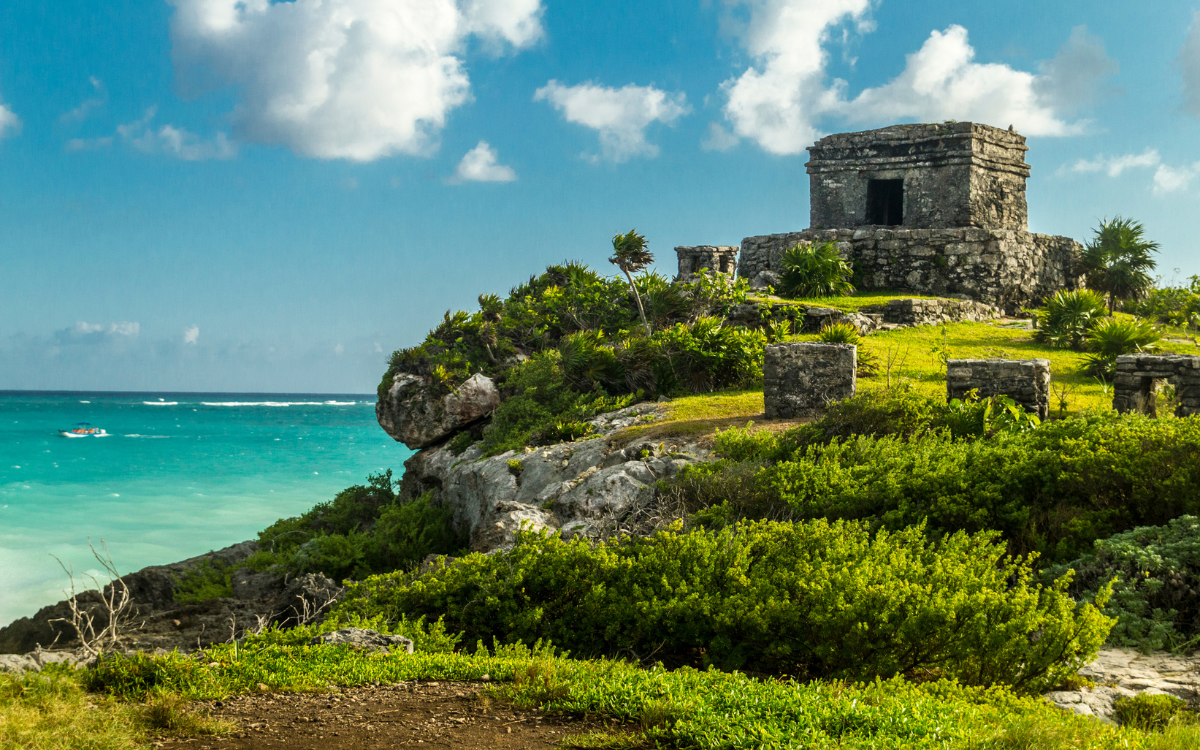
Tulum offers an incredible mix of ancient history, natural beauty, and modern wellness culture. Visit the Tulum Ruins perched dramatically on clifftops overlooking the Caribbean Sea – it’s one of Mexico’s most photographed archaeological sites.

Explore the mystical cenotes (natural sinkholes) like Gran Cenote, Dos Ojos, and Cenote Calavera for swimming and snorkeling in crystal-clear waters. The Sian Ka’an Biosphere Reserve offers boat tours through mangroves and opportunities to spot dolphins, manatees, and tropical birds.

For wellness enthusiasts, Tulum is famous for its yoga retreats, sound healing sessions, and beachfront meditation spaces. The Tulum Beach Road is lined with eco-chic hotels, beach clubs, and restaurants serving healthy, Instagram-worthy cuisine.

Take day trips to nearby Cobá to climb ancient pyramids, or visit Akumal to swim with sea turtles. The Tulum Art Walk showcases local artists, while the Wednesday night market offers local crafts and street food.

Guadalajara

Guadalajara, Mexico’s second-largest city, offers big-city amenities at a fraction of the cost. Known as Mexico’s Silicon Valley, it’s perfect for tech-focused nomads.

Pros and Cons of Living in Guadalajara as a Digital Nomad

Pros:

  • Major tech hub with networking opportunities
  • Excellent weather year-round
  • Rich cultural heritage and arts scene
  • Lower cost of living than Mexico City
  • Good international airport connections
  • Growing expat community

Cons:

  • Less international than Mexico City
  • Spanish language skills more necessary
  • Limited beach access
  • Can feel conservative compared to other destinations
  • Fewer coworking spaces than other major cities


Internet Speed in Guadalajara

Guadalajara boasts excellent internet infrastructure with speeds averaging 30-60 Mbps. Many areas have fiber optic coverage, and coworking spaces often offer speeds up to 100 Mbps.


Cost of Living in Guadalajara for Remote Workers

Very affordable at $600-1,000 USD monthly. Rent ranges from $250-500 for nice apartments, meals cost $2-6, and weekly groceries run $25-40.


Coworking Spaces and Cafes in Guadalajara

The Pool and Centraal are popular coworking spaces. Starbucks, Café Madoka, and Café Emir work well for casual work sessions.


Is Guadalajara Safe for Digital Nomads? What You Need to Know

Guadalajara is generally safe with standard precautions. Avoid certain neighborhoods at night and don’t display expensive items openly. The city has good police presence in central areas.

Oaxaca

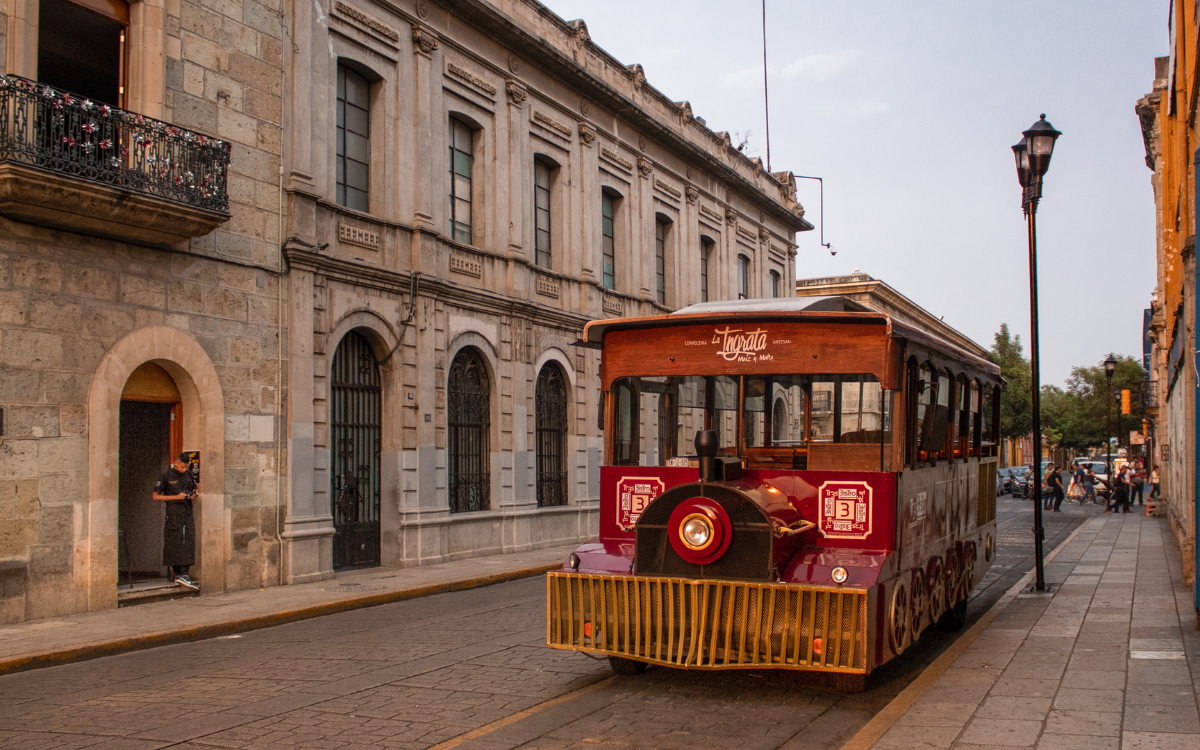
Oaxaca offers an authentic Mexican experience with incredible food, rich indigenous culture, and a growing nomad community. It’s perfect for culture enthusiasts.

Pros and Cons of Living in Oaxaca as a Digital Nomad

Pros:

  • Incredible food scene and cooking classes
  • Rich indigenous culture and traditions
  • Beautiful colonial architecture
  • Very affordable cost of living
  • Growing expat community
  • Day trips to archaeological sites

Cons:

  • Limited international flight connections
  • Internet can be slower than major cities
  • Language barrier more pronounced
  • Less nightlife than bigger cities
  • Altitude adjustment needed
  • Limited coworking spaces


Internet Speed in Oaxaca

Internet speeds average 10-25 Mbps, which is adequate for most remote work. Some areas have fiber optic, and coworking spaces typically offer 20-40 Mbps.


Cost of Living in Oaxaca for Remote Workers

Extremely affordable at $500-800 USD monthly. Rent ranges from $200-400, meals cost $2-5, and groceries run $20-35 weekly.


Coworking Spaces and Cafes in Oaxaca

Pixel Coworking and Cubo Coworking are the main options. Café Brújula, Café Los Cuiles, and Starbucks work for casual sessions.


Is Oaxaca Safe for Digital Nomads? What You Need to Know

Oaxaca is generally very safe, especially in the historic center. Exercise normal precautions and be aware of occasional political demonstrations. The city has a strong community feel that enhances safety.

Mérida

Mérida, the capital of Yucatán, offers colonial charm, Mayan culture, and modern amenities. It’s increasingly popular among nomads seeking authentic Mexican experiences.

Pros and Cons of Living in Mérida as a Digital Nomad

Pros:

  • Beautiful colonial architecture
  • Rich Mayan culture and history
  • Very safe compared to other Mexican cities
  • Affordable cost of living
  • Growing expat community
  • Easy access to beaches and cenotes

Cons:

  • Extremely hot and humid climate
  • Limited international flight connections
  • Fewer coworking spaces
  • Spanish language skills helpful
  • Can feel slow-paced for some
  • Hurricane season risks


Internet Speed in Mérida

Internet speeds average 15-30 Mbps, with fiber optic available in many areas. Coworking spaces and cafes typically offer 25-50 Mbps.


Cost of Living in Mérida for Remote Workers

Very affordable at $500-900 USD monthly. Rent ranges from $250-450, meals cost $2-6, and groceries run $25-40 weekly.


Coworking Spaces and Cafes in Mérida

Coworking Mérida and Nest Coworking are the primary options. Café Riqueza, Café Montejo, and Ki’Xocolatl work well for casual work.


Is Mérida Safe for Digital Nomads? What You Need to Know

Mérida is considered one of Mexico’s safest cities. Crime rates are low, and the city has a strong community feel. Standard precautions are sufficient.

Puerto Vallarta

Puerto Vallarta combines beach life with city amenities, making it ideal for nomads who want the best of both worlds. The large expat community makes integration easy.

Pros and Cons of Living in Puerto Vallarta as a Digital Nomad

Pros:

  • Beautiful beaches and mountain scenery
  • Large, established expat community
  • Good international airport connections
  • Vibrant nightlife and restaurant scene
  • Year-round warm weather
  • Easy to find English speakers

Cons:

  • Can feel touristy and crowded
  • Hurricane season (June-November)
  • Higher prices in tourist zones
  • Limited coworking spaces
  • Can be party-heavy in certain areas
  • Traffic congestion


Internet Speed in Puerto Vallarta

Internet speeds average 15-35 Mbps, with many areas having fiber optic coverage. Tourist areas generally have better connectivity.


Cost of Living in Puerto Vallarta for Remote Workers

Budget $700-1,200 USD monthly. Rent ranges from $400-700, meals cost $4-10, and groceries run $35-55 weekly.


Coworking Spaces and Cafes in Puerto Vallarta

Selina Puerto Vallarta and Dojo Bali offer coworking. Café de Olla, Starbucks, and Coffee Cup work for casual sessions.


Is Puerto Vallarta Safe for Digital Nomads? What You Need to Know

Puerto Vallarta is generally safe, especially in tourist areas. Exercise normal precautions, avoid isolated beaches at night, and be aware of your surroundings in downtown areas.

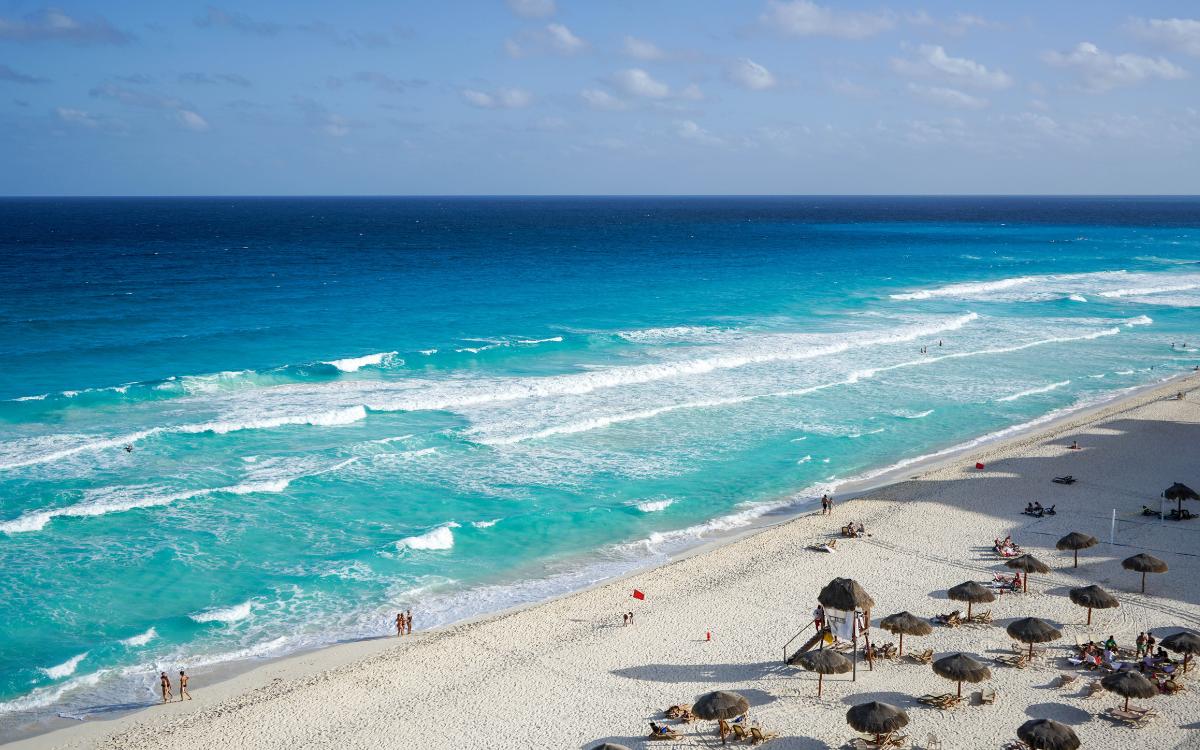
Cancun

Cancun offers excellent infrastructure, international connections, and beach access. While touristy, it provides all the amenities nomads need.

Pros and Cons of Living in Cancun as a Digital Nomad

Pros:

  • Excellent international airport connections
  • Modern infrastructure and amenities
  • Beautiful beaches and water activities
  • Large expat community
  • Good internet infrastructure
  • English widely spoken

Cons:

  • Very touristy and expensive
  • Can feel artificial and resort-like
  • Hurricane season risks
  • Limited authentic Mexican culture
  • Party destination reputation
  • Crowded beaches


Internet Speed in Cancun

Cancun has some of Mexico’s best internet infrastructure, with speeds averaging 25-50 Mbps. Many areas have fiber optic coverage.


Cost of Living in Cancun for Remote Workers

Higher than most Mexican cities at $800-1,400 USD monthly. Rent ranges from $500-900, meals cost $6-15, and groceries run $40-65 weekly.


Coworking Spaces and Cafes in Cancun

Dojo Bali Cancun and Nest Coworking are popular options. Starbucks, Café Nader, and Parque de las Palapas work for casual work.


Is Cancun Safe for Digital Nomads? What You Need to Know

Cancun is generally safe in tourist areas but has seen some security issues. Stay in well-known areas, avoid displaying valuables, and be cautious at night.

Cozumel

Cozumel offers island life with surprisingly good infrastructure. It’s perfect for diving enthusiasts and those seeking a slower pace.

Pros and Cons of Living in Cozumel as a Digital Nomad

Pros:

  • Beautiful diving and snorkeling
  • Relaxed island atmosphere
  • Safe and friendly community
  • Easy ferry access to mainland
  • Good for outdoor activities
  • Affordable cost of living

Cons:

  • Limited work spaces and cafes
  • Can feel isolated
  • Hurricane season risks
  • Limited cultural activities
  • Ferry dependency for travel
  • Internet can be unreliable


Internet Speed in Cozumel

Internet speeds average 10-25 Mbps, which can be inconsistent. The island’s infrastructure is improving but still lags behind mainland cities.


Cost of Living in Cozumel for Remote Workers

Affordable at $600-1,000 USD monthly. Rent ranges from $300-500, meals cost $4-8, and groceries run $30-45 weekly.


Coworking Spaces and Cafes in Cozumel

Limited options include Café del Puerto and Starbucks. Most nomads work from accommodations or cafes.


Is Cozumel Safe for Digital Nomads? What You Need to Know

Cozumel is very safe with low crime rates. The island community is close-knit and welcoming to visitors. Standard precautions are sufficient.

San Miguel de Allende

San Miguel de Allende offers colonial charm, artistic culture, and a well-established expat community. It’s perfect for those seeking a slower, more cultural experience.

Pros and Cons of Living in San Miguel de Allende as a Digital Nomad

Pros:

  • Stunning colonial architecture
  • Vibrant arts and culture scene
  • Large, established expat community
  • Excellent restaurants and cafes
  • Pleasant highland climate
  • UNESCO World Heritage site

Cons:

  • Limited coworking spaces
  • Can feel touristy and expensive
  • Altitude adjustment needed
  • Limited international connections
  • Cobblestone streets can be challenging
  • Can feel exclusive or cliquey


Internet Speed in San Miguel de Allende

Internet speeds average 15-30 Mbps, with fiber optic available in many areas. Cafes and restaurants typically offer 10-25 Mbps.


Cost of Living in San Miguel de Allende for Remote Workers

Moderate at $700-1,200 USD monthly. Rent ranges from $400-700, meals cost $5-12, and groceries run $35-50 weekly.


Coworking Spaces and Cafes in San Miguel de Allende

The Roof and Café Rama offer work-friendly environments. Starbucks, Café Colón, and Berlin work for casual sessions.


Is San Miguel de Allende Safe for Digital Nomads? What You Need to Know

San Miguel de Allende is very safe with low crime rates. The large expat community and tourist infrastructure contribute to overall security.

Best Coworking Spaces in Mexico

Mexico’s coworking scene has exploded in recent years, with options ranging from beachfront spaces to high-tech urban hubs. Here are the standout networks and spaces:

Dojo Bali has become the gold standard for nomad-focused coworking, with locations in Playa del Carmen, Tulum, Cancun, and Mexico City. They offer not just workspace but community events and nomad-specific services.

Selina combines accommodation with coworking, perfect for nomads who want an all-in-one solution. Their locations in Tulum, Playa del Carmen, and Puerto Vallarta are particularly popular.

WeWork has multiple locations in Mexico City and Guadalajara, offering professional environments with global standards.

Hubud brings the successful Bali model to Mexico with locations in Mexico City and Tulum, focusing on community building and events.

Local favorites include LOOM and Terminal 1 in Mexico City, The Pool in Guadalajara, and Nest Coworking in multiple cities.

Digital Nomad Visa Mexico

Mexico doesn’t have a specific “digital nomad visa,” but it offers several options for remote workers:

Tourist Visa (FMM) allows stays up to 180 days and is perfect for short-term visits. It’s free and can often be extended.

Temporary Resident Visa allows stays up to 4 years and is ideal for long-term nomads. You’ll need to prove monthly income of $1,620 USD or savings of $27,000 USD.

Permanent Resident Visa is for those planning to make Mexico home long-term. Requirements include higher income thresholds or substantial savings.

Business Visa allows work-related activities and can be suitable for nomads with clients or business interests in Mexico.

The process is generally straightforward, and many nomads successfully navigate the system. Consider consulting with a Mexican immigration attorney for complex situations.

Best Cities in Mexico for Digital Nomads With Fast Wi-Fi

When your livelihood depends on internet connectivity, these cities consistently deliver:

Mexico City leads the pack with widespread fiber optic coverage and speeds regularly exceeding 50 Mbps. The tech industry presence ensures infrastructure continues improving.

Guadalajara offers excellent connectivity at lower costs, with many areas having fiber optic coverage and speeds comparable to Mexico City.

Cancun provides tourist-grade infrastructure with reliable, fast internet throughout the hotel zone and downtown areas.

Playa del Carmen has significantly improved its infrastructure in recent years, with most coworking spaces offering 30+ Mbps speeds.

Mérida surprises many with its solid internet infrastructure, particularly in the historic center and modern neighborhoods.

Mexico's Most Affordable Cities for Remote Work - City-by-City Breakdown

Looking for the most affordable Mexico cities for digital nomads? Here’s how they stack up:

Oaxaca takes the crown for affordability, with comfortable living possible on $500-800 monthly. The incredible food scene and cultural richness make it unbeatable value.

Mérida offers colonial charm and safety at $500-900 monthly. The Yucatecan culture and proximity to beaches add tremendous value.

Guadalajara provides big-city amenities at small-city prices ($600-1,000 monthly). The tech scene offers networking opportunities that justify the slightly higher cost.

Cozumel delivers island life affordably ($600-1,000 monthly), though the limited work infrastructure means it’s better for established nomads.

San Miguel de Allende offers cultural richness at $700-1,200 monthly, though the tourist presence drives up some costs.

Puerto Vallarta and Playa del Carmen fall in the middle range ($700-1,200 monthly), offering good value for beach lovers.

Mexico City provides incredible value for a world-class city ($800-1,500 monthly), especially considering the cultural and professional opportunities.

Cancun and Tulum are the priciest options ($800-2,000 monthly), though they offer the most polished nomad infrastructure.

Digital Nomad Mexico Itinerary: How to See the Country While Working Remotely For a Year

Planning to explore multiple destinations while working remotely? Here’s a suggested itinerary that balances work needs with cultural experiences:

Month 1-2: Mexico City – Start in the capital to establish your routine, explore the incredible food scene, and connect with the large nomad community. Use this time to adjust to Mexican culture and improve your Spanish.

Month 3: Guadalajara – Experience Mexico’s Silicon Valley while enjoying lower costs and perfect weather. Take weekend trips to nearby Tequila and Lake Chapala.

Month 4: Oaxaca – Immerse yourself in indigenous culture, take cooking classes, and explore incredible archaeological sites. The slower pace provides a nice reset.

Month 5: San Miguel de Allende – Enjoy colonial charm and artistic culture while working from beautiful cafes. The expat community provides networking opportunities.

Month 6: Mérida – Explore Mayan culture while using the city as a base for visiting cenotes and archaeological sites. The safety and affordability make it perfect for recharging.

Month 7-8: Playa del Carmen – Settle into beach life while maintaining productivity. Use this base to explore Tulum, Cozumel, and other Riviera Maya destinations.

Month 9: Tulum – Experience the famous nomad destination, though budget extra for the higher costs. The wellness focus provides a nice counterbalance to intensive work periods.

Month 10: Puerto Vallarta – Enjoy Pacific coast beauty while benefiting from established expat infrastructure. The airport connections make it easy to take breaks back home.

Month 11-12: Return to Mexico City – End where you started to reflect on your journey, tie up loose ends, and plan your next adventure.

This itinerary allows you to experience Mexico’s diversity while maintaining work productivity. Adjust timing based on your work schedule, budget, and personal preferences.

Mexico offers an incredible combination of affordability, culture, infrastructure, and community that makes it perfect for digital nomads. Whether you’re drawn to the cosmopolitan energy of Mexico City, the beach vibes of Playa del Carmen, or the cultural richness of Oaxaca, there’s a perfect Mexican destination waiting for you.

The key to success is choosing a location that matches your work needs, budget, and lifestyle preferences. Start with one destination, get established, then explore others as your comfort level grows. Mexico’s nomad community is welcoming and supportive, making it easier than ever to build the remote work lifestyle you’ve always dreamed of.